

Building a home in Richmond Hill is an exciting opportunity, but navigating the local construction regulations can feel overwhelming especially for first-time homeowners. From zoning bylaws and permit requirements to building codes and inspection steps, every stage of the process must comply with strict municipal and provincial rules. Understanding these regulations not only saves you time and money, but also ensures your project stays safe, legal, and on schedule. In this guide, we break down the key home construction regulations in Richmond Hill so you can start your building journey with confidence and clarity.
The Best Real Estate Consulting in Richmond Hill
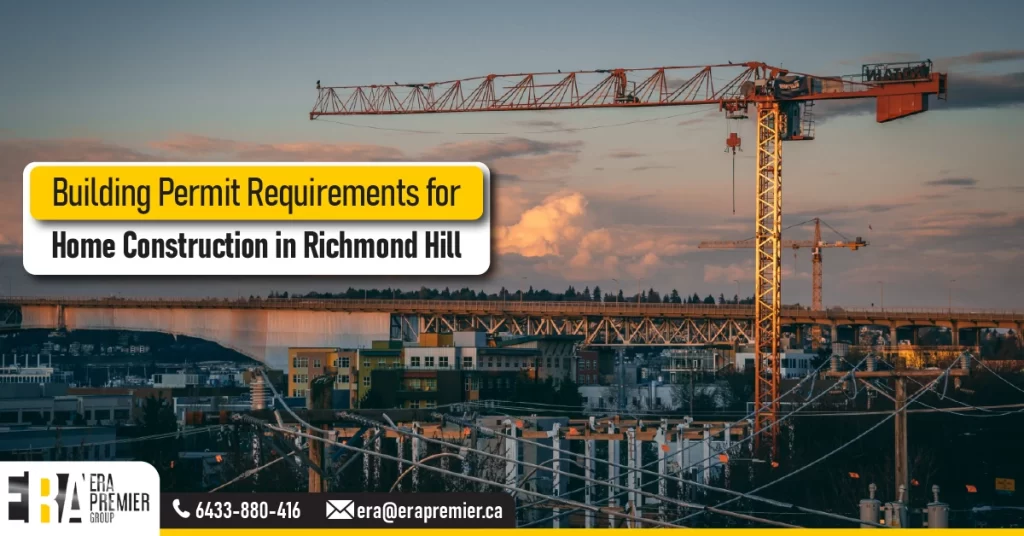
Building Permit Requirements for Home Construction in Richmond Hill
- To obtain a Building Permit in Richmond Hill, applicants must submit a fully completed permit application form along with accurate project details.
- Every Building Permit request must include clear and complete architectural, structural, mechanical, and site drawings prepared by qualified designers.
- A certified site plan from an Ontario Land Surveyor is required for most home construction projects in Richmond Hill.
- Applicants must clearly describe the full scope of the work, including the current use of the property and the proposed construction or renovation.
- All Building Permit fees set by Richmond Hill must be paid before the application can be processed.
- Depending on the project type, development charges may also be required prior to issuing the Building Permit.
- For projects involving grading, excavation, or land alteration, Richmond Hill requires grading approval or a site alteration permit.
- In some cases, the City of Richmond Hill may request a road or frontage damage deposit before approving the Building Permit.
- Certain projects must receive planning approvals, such as Site Plan Approval (SPA), before the Building Permit can be issued in Richmond Hill.
- If the property is near environmentally sensitive areas, environmental approvals including TRCA authorization may be required.
- New residential properties in Richmond Hill must have a registered municipal address and an approved subdivision plan (M-Plan) before the Building Permit is released.
- All Building Permit applications must comply with Richmond Hill zoning by-laws and all applicable provincial regulations.
- An Energy Efficiency Design Summary (such as OBC SB-12) must be included to show the home meets Ontario’s energy standards.
- For new home construction, Richmond Hill may require a foundation survey or reference plan sealed by a licensed surveyor.
- If plumbing work is included, applicants must pay the applicable plumbing and service connection fees.
- For projects involving demolition, a separate demolition permit and supporting documents must be submitted before applying for a new Building Permit.
- Only the legal property owner or an authorized representative can apply for a Building Permit in Richmond Hill.
- Plans must be prepared by qualified designers architects, engineers, or BCIN-licensed professionals depending on the project type.
- All Building Permit applications in Richmond Hill may be submitted electronically or in person, following city guidelines.
- Once the permit is issued, the Building Permit card and approved construction drawings must be kept on-site at all times during the building process.
To read more: Toronto Building Permit Process
Projects in Richmond Hill That Do or Do Not Require a Building Permit
Before starting any home construction or renovation in Richmond Hill, it’s important to understand which projects require a Building Permit and which ones don’t. Knowing this helps homeowners avoid delays, legal issues, and costly mistakes during their construction process.
✅ Projects in Richmond Hill That Require a Building Permit
- Building a new home or any new residential structure
- Adding extensions or additions to an existing house
- Finishing or renovating a basement, especially when adding bedrooms, plumbing, or structural changes
- Constructing or altering load-bearing walls inside the home
- Building or enlarging a deck, porch, balcony, or rooftop terrace (depending on height and design)
- Installing or modifying plumbing systems, drains, or water service lines
- Installing or modifying HVAC systems (heating, ventilation, air conditioning)
- Building or altering a garage, carport, or attached structure
- Constructing accessory buildings larger than 10 square meters
- Making structural roof changes such as adding dormers or altering rooflines
- Installing new windows or doors that require structural resizing
- Performing major interior renovations that affect safety, structure, or building systems
- Demolition of any part of a building (requires a demolition permit)
- Interior or exterior renovations that impact the Ontario Building Code guidelines
Construction permits and approvals in Canada
❌ Projects in Richmond Hill That Do NOT Require a Building Permit
- Building small sheds or storage units under 10 square meters (with no plumbing and no sleeping areas)
- Installing fences, as long as they follow Richmond Hill fence by-laws
- Replacing flooring, tiles, cabinets, or other cosmetic interior finishes
- Carrying out painting, decorating, or simple non-structural upgrades
- Installing kitchen or bathroom cabinets (without moving plumbing or electrical systems)
- Replacing doors or windows without changing the structural size of the opening
- Adding detached pergolas or gazebos under a specific size (and without mechanical/electrical systems)
- Landscaping work such as gardens, lawns, and patios (non-structural)
- Installing minor outdoor features such as planters, walkways, or small retaining walls (under height limits)
- Minor roofing repairs that do not change the structure
To read more: Toronto Old House Renovation

Ontario Building Code Standards for Richmond Hill Home Construction
When planning a new home or renovation in Richmond Hill, every Building Permit application must comply with the Ontario Building Code (OBC). The OBC sets the minimum standards for safety, energy efficiency, accessibility, and structural integrity for residential construction. Following these standards ensures that your Richmond Hill home is safe, durable, and legally compliant.
🟢 Structural Safety Standards
All Richmond Hill homes must be designed and built to withstand loads from snow, wind, and occupancy.
Structural elements such as foundations, walls, floors, and roofs must comply with OBC requirements.
🟢 Fire Safety and Protection
Installation of smoke alarms, carbon monoxide detectors, and fire separation walls where required.
Fire-rated construction for certain walls, ceilings, and attached garages in Richmond Hill homes.
🟢 Energy Efficiency and Sustainability
Compliance with OBC energy efficiency requirements, including insulation, windows, and HVAC systems.
For new Richmond Hill homes, an Energy Efficiency Design Summary may be required for the Building Permit application.
🟢 Plumbing and Water Systems
All plumbing installations, including water supply, drainage, and sewage systems, must meet OBC standards.
Richmond Hill Building Permit approvals require inspection of plumbing work to ensure safety and functionality.
🟢 Electrical and Mechanical Systems
Electrical wiring and mechanical systems (heating, ventilation, air conditioning) must comply with OBC safety codes.
Licensed professionals must install or inspect systems before final Building Permit approval.
🟢 Accessibility and Safety Standards
Certain Richmond Hill home designs must meet accessibility requirements under OBC, especially multi-unit residential buildings.
Handrails, guardrails, and stair construction must follow prescribed safety standards.
🟢 Occupancy and Use Regulations
Building Permit applications in Richmond Hill must include the intended use of each room or space.
OBC defines the maximum occupancy, ceiling heights, and emergency exits for all residential units.
🟢 Site Grading and Drainage
Foundations and grading plans must ensure proper drainage and prevent flooding.
Richmond Hill Building Permit approval may require review of site grading to comply with OBC standards.
🟢 Renovation and Alteration Compliance
Any alterations to an existing home in Richmond Hill must meet OBC standards for structural integrity and safety.
This includes basement renovations, additions, or any work affecting load-bearing elements.
🟢 Final Inspection and Certification
Once construction is complete, Richmond Hill inspectors verify that all work complies with the Ontario Building Code before final Building Permit approval.
Final certification ensures the home is safe, energy-efficient, and legally ready for occupancy.
Custom Home Building in Richmond Hill

Mandatory Construction Inspections for Richmond Hill Home Projects
When undertaking any home construction or renovation in Richmond Hill, Mandatory Construction Inspections are a critical part of the building process. These inspections ensure that every step of the project meets safety standards, complies with the Ontario Building Code, and aligns with the terms of the approved Building Permit. Ignoring these inspections can lead to delays, fines, or even the revocation of your Building Permit in Richmond Hill.
🔹Foundation Inspection: Before pouring concrete, Richmond Hill inspectors check the foundation layout, footings, and reinforcement. This inspection ensures that the base of your home meets structural safety standards and your Building Permit requirements.
🔹Framing Inspection: Once walls, floors, and roof framing are complete, Richmond Hill conducts a Mandatory Construction Inspection. Inspectors verify that framing complies with design plans and the Ontario Building Code.
🔹Plumbing and Electrical Rough In Inspection: Before walls are closed, all plumbing, electrical, and HVAC rough-ins are inspected in Richmond Hill. This step ensures all systems meet safety standards and Building Permit conditions.
🔹Insulation and Energy Efficiency Inspection: Richmond Hill inspectors check that insulation, windows, and energy systems comply with OBC energy efficiency standards. This inspection is critical for final approval of your Building Permit.
🔹Final Inspection: Once construction is complete, a comprehensive Mandatory Construction Inspection is conducted. Inspectors verify structural integrity, fire safety, accessibility, and code compliance before issuing final occupancy approval.
🔹Specialty Inspections (If Required): Depending on the Richmond Hill project type, additional inspections may be needed, such as:
- Truss inspections
- Elevator or lift inspections
- Pool or deck inspections
These inspections are part of the Mandatory Construction Inspections required for safe and legal home construction in Richmond Hill.
Why Mandatory Construction Inspections Are Important in Richmond Hill?
⇒ They ensure your home is safe, durable, and compliant with the Ontario Building Code.
⇒ They help prevent costly mistakes that could occur if construction deviates from approved plans.
⇒ They protect homeowners from future liability by ensuring every Richmond Hill Building Permit condition is met.
The Best Real Estate Consulting in Richmond Hill
Richmond Hill Zoning By laws for Residential Home Construction
Understanding Richmond Hill Zoning is a crucial step for anyone planning Residential Home Construction in the city. Zoning by-laws determine how properties can be used, the type of homes that can be built, and the specific design requirements that must be followed. Compliance with Richmond Hill Zoning regulations is mandatory to secure a Building Permit and avoid potential fines or construction delays.
Permitted Land Uses → Richmond Hill Zoning
Richmond Hill Zoning defines what types of residential buildings are allowed in each zone, including single-family homes, semi-detached homes, townhouses, and multi unit dwellings.
Homeowners must ensure their Residential Home Construction project aligns with the permitted land use.
Setback Requirements → Richmond Hill Zoning
Setbacks dictate the minimum distance a home must be from property lines, streets, and other structures. Richmond Hill Zoning enforces front, rear, and side yard setbacks to maintain neighborhood aesthetics and safety.
Building Height Restrictions → Richmond Hill Zoning
Each zone in Richmond Hill has specific height limits for Residential Home Construction. These restrictions ensure homes are compatible with surrounding properties and preserve community character.
Lot Coverage and Floor Area Ratio (FAR) → Richmond Hill Zoning
Richmond Hill Zoning controls the maximum percentage of a lot that can be covered by a building (lot coverage). Floor Area Ratio limits the total building area relative to the lot size to manage density and maintain neighborhood appeal.
Parking Requirements → Richmond Hill Zoning
Zoning by-laws define minimum parking spaces for each residential unit and regulate driveway design. Proper adherence is essential for a smooth Building Permit approval process.
Accessory Structures and Home Additions → Richmond Hill Zoning
Richmond Hill Zoning specifies rules for decks, garages, sheds, and other accessory buildings. Additions to existing homes, such as porches or second-story expansions, must comply with the zoning requirements.
Environmental and Special Designations → Richmond Hill Zoning
Certain areas in Richmond Hill may have additional zoning restrictions due to conservation, flood plains, or heritage designations. Homeowners must account for these regulations in their Residential Home Construction plans.
Why Richmond Hill Zoning Matters for Residential Home Construction?
● Ensures your home project complies with local regulations and avoids legal issues.
● Maintains the safety, aesthetics, and value of your property and surrounding neighborhood.
● Streamlines the Building Permit approval process by meeting zoning standards from the start.
To read more: Innovative Home Construction Method
Setback, Height, and Lot Coverage Rules in Richmond Hill
When planning a new home or a major renovation in Richmond Hill, understanding the setback, height, and lot coverage rules is essential. These zoning regulations shape the size, position, and overall footprint of your home, ensuring that all Residential Home Construction projects stay compatible with neighborhood standards and comply with Richmond Hill’s planning policies.

1. Setback Rules (Minimum Distance from Property Lines)
Setback requirements in Richmond Hill determine how far your home must be positioned from each property boundary. These rules help maintain privacy, safety, and aesthetic balance within residential neighborhoods.
Key setback considerations include:
⇒ Front Yard Setback: Minimum distance between the home and the street.
⇒ Side Yard Setback: Required clearance on both sides of the house to ensure proper access and fire safety.
⇒ Rear Yard Setback: Required distance between the home and the back property line.
⇒ Corner Lot Setbacks: Additional rules may apply for corner homes facing two streets.
These setback rules vary by zoning category, but all Richmond Hill properties must follow them to qualify for a Building Permit.
2. Height Restrictions (Maximum Allowed Building Height)
Richmond Hill controls building height to maintain consistent neighborhood character and prevent overshadowing adjacent homes.
Common height regulations include:
⇒ Maximum height limits for single-detached, semi-detached, or townhouses.
⇒ Additional restrictions in heritage areas or environmentally sensitive zones.
⇒ Rules limiting the height of roof peaks, chimneys, and architectural projections.
Height restrictions ensure that Residential Home Construction blends seamlessly into the community while meeting safety and structural requirements.
Lot Coverage Rules (Percentage of Lot Allowed for Building)
Lot coverage regulations in Richmond Hill dictate what portion of your land can be occupied by the main building plus accessory structures.
Lot coverage rules typically consider:
● Total footprint of the main home
● Attached or detached garages
● Covered porches
● Certain types of decks or extensions
● Accessory structures such as sheds
● Limitations to preserve green space and proper drainage
Proper lot coverage ensures homes don’t overwhelm the property and that neighborhoods maintain a balanced, open-space feel.
Why These Rules Matter for Homeowners?
Following Richmond Hill’s setback, height, and lot coverage rules helps:
● Protect neighborhood aesthetics and property values
● Reduce project delays during the Building Permit process
● Ensure safe and compliant home construction
● Avoid costly corrections or by-law violations
Construction permits and approvals in Canada
Parking and Driveway Regulations for New Homes in Richmond Hill
For anyone planning to build a new home in Richmond Hill, understanding the city’s parking and driveway regulations is essential. These rules are designed to ensure safe vehicle access, maintain clean and consistent streetscapes, and support proper drainage and traffic movement throughout residential neighborhoods. Following these standards from the beginning will help streamline your Building Permit process and prevent costly changes later.
Minimum Parking Requirements
Richmond Hill sets clear minimum parking standards for all new residential properties. These requirements help manage parking demand and reduce overcrowding on public streets
⇒ Single detached homes: Usually must include at least two on-site parking spaces
⇒ Townhomes and semi detached units: Typically need one or two designated spaces depending on zoning
⇒ Homes with secondary suites: Must provide additional parking beyond the base requirements
Meeting these standards ensures your new home remains functional and compliant.
Driveway Width and Design Standards
Driveway size and placement are tightly regulated in Richmond Hill to ensure consistency and safety across neighborhoods.
→ Limits on maximum driveway width based on lot frontage
→ Required clearance from property lines, landscaping, utilities, and fire hydrants
→ Restrictions on paving too much of the front yard
→ Use of permeable or properly drained materials to minimize runoff
A driveway that meets these guidelines is essential for successful approval of your site plan and Building Permit.
Restrictions on Driveway Expansion
Not every type of driveway enlargement is allowed in Richmond Hill. To protect neighborhood character, the city places limits on unnecessary expansion.
→ Widening a driveway beyond the permitted width
→ Creating large paved parking pads in the front yard
→ Replacing landscaping or green space with additional paving
Any expansion outside legal allowances may require separate zoning approval.
Setback Rules for Garages and Parking Areas
Garages, parking spaces, and driveways must follow setback rules to ensure safe visibility and easy pedestrian movement.
→ Minimum setback between the driveway and the sidewalk
→ Restrictions on how far a garage can extend beyond the home’s façade
→ Sufficient space for safe vehicle entry and exit without blocking public pathways
These rules help maintain safety for both drivers and pedestrians.
Safety, Drainage, and Accessibility Requirements
Driveways and parking areas for new homes must also meet safety and accessibility standards, including:
→ Proper grading so water drains away from sidewalks and neighboring properties
→ Maintaining safe sightlines when entering or leaving the driveway
→ Ensuring enough space for emergency vehicles, delivery trucks, and municipal services
Proper design prevents long-term safety and maintenance issues.
Why These Regulations Matter?
Complying with Richmond Hill’s parking and driveway regulations helps homeowners:
● Receive quicker approval for their Building Permit
● Avoid penalties, delays, or forced modifications
● Maintain property value and neighborhood appeal
● Ensure long-term safety and proper function of the home
To read more: Toronto Old House Renovation
Home Based Business Rules for Richmond Hill Residential Properties
If you’re planning to operate a home-based business in Richmond Hill, the city allows many low-impact businesses—but only under specific conditions. Below are the most important rules you must follow to comply with local zoning bylaws and avoid any violations:
1. The Home Must Remain Primarily Residential
Your business should not change the residential character of the property.
● The home must still function as a living space.
● Business activities should stay secondary to normal residential use.
2. Only the Resident Can Run the Business
● The business must be operated by someone who lives in the home.
● You cannot hire non-resident employees to work on-site.
3. Limited Amount of Space for Business Use
Richmond Hill limits how much of your home can be used for business purposes.
● Typically, only a small percentage of the home is allowed for business activities.
● The business area must be fully enclosed within the home no outdoor space can be used.
4. No Exterior Changes or Business Signage
To keep the home looking residential:
● No business signs are allowed outside the house.
● You cannot make exterior alterations that make your home appear commercial.
● Equipment or materials must not be visible from the street.
5. Restrictions on Noise, Traffic, and Nuisances
Your business must not disturb neighbours.
● No loud equipment or machinery.
● No customer lineups or high traffic.
● No fumes, vibrations, or hazardous materials.
6. Limited Customer Visits
Not all home businesses can have clients visit the property.
● If allowed, only a very small number of clients may visit per day.
● Traffic must stay consistent with normal residential activity.
7. No Outdoor Storage
● All tools, materials, and inventory must be stored indoors.
● Outdoor storage including sheds or yards is not permitted for business purposes.
8. Specific Prohibited Businesses
Some business types are not allowed in residential areas, including:
● Auto repair or body shops
● Large-scale manufacturing
● Storage or distribution businesses
● Businesses using hazardous materials
● Any operation generating heavy noise, odors, or traffic
9. Online and Professional Services Are Usually Accepted
Low-impact businesses are typically approved, such as:
● Online services
● Consulting
● Tutoring
● Graphic design or IT services
● Small craft creation (without heavy tools or materials)
10. Additional Permit or License Requirements
Even if your business type is allowed, you may still need:
● A municipal business license
● Compliance with health or fire regulations
● Additional zoning review if offering specialized services (e.g., daycare)
Construction permits and approvals in Canada
Conclusion
Understanding Richmond Hill’s zoning regulations is essential for anyone planning to build a new home, renovate a property, or operate a home-based business. From setback and height requirements to parking rules and restrictions on residential businesses, each guideline is designed to protect neighbourhood character, ensure safety, and support responsible development. By becoming familiar with these regulations early on and seeking professional guidance when needed homeowners can avoid costly delays, stay compliant, and enjoy a smoother, more successful building or business experience in Richmond Hill.