
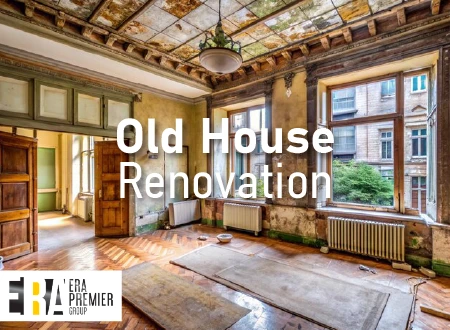
Renovating an old house in Toronto is both an exciting and rewarding journey. These charming homes often come with unique architectural details and timeless character, but they also bring their own set of challenges from outdated wiring and plumbing to structural wear and tear. A successful old house renovation requires careful planning, attention to detail, and the right balance between preservation and modernization.
Whether you’ve just purchased a vintage property or you’re upgrading your long-time family home, this guide will walk you through an essential checklist to help you restore its beauty, improve functionality, and increase its value in today’s competitive Toronto housing market.
Before diving into your renovation project, it’s important to understand what makes older homes unique and what challenges you might face during the process.
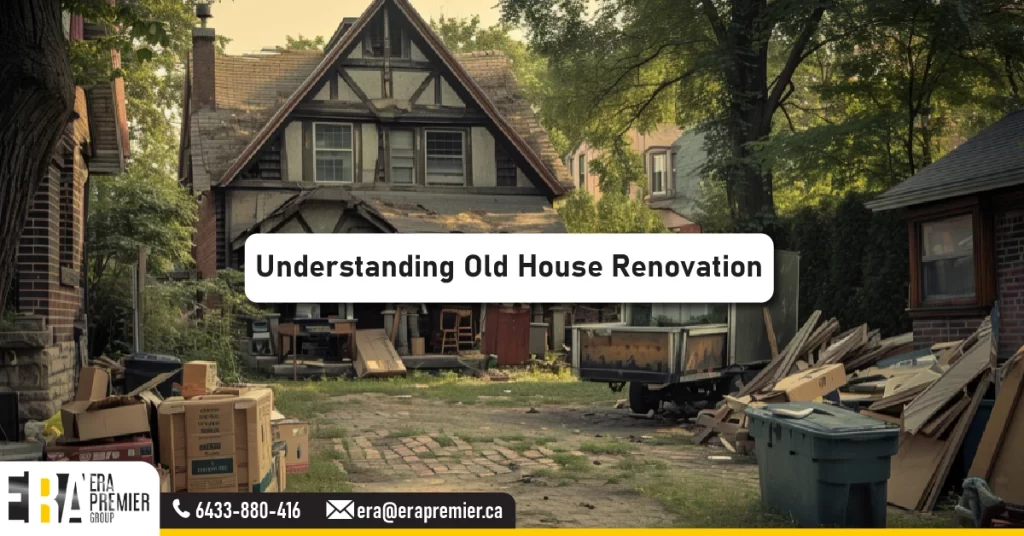
Understanding Old House Renovation
Before starting any remodeling project, it’s essential to understand what makes older homes unique and the challenges that often come with them. Every old house renovation requires a thoughtful approach one that respects the home’s history while upgrading it to meet modern living standards.
What Makes an Old House Different?
Older homes in Toronto often have a charm that new constructions simply can’t replicate. From detailed woodwork and vintage brick exteriors to high ceilings and original hardwood floors, these houses were built with craftsmanship and character. However, when it comes to old house renovation, these beautiful details can also present unique demands.
Many of the materials and construction methods used decades ago differ greatly from today’s standards, meaning your renovation may require specialized skills and careful attention. Understanding how your home was built helps ensure that each step of your old house renovation maintains its integrity while improving safety and comfort.
To read more: Average Cost to Build a House in Toronto
Common Challenges in Renovating Older Homes
Renovating an older home can be both rewarding and demanding. While each property is unique, many homeowners face similar challenges during their old house renovation project. Here are the most common ones to watch out for:
⇒ Outdated Electrical Systems: Many older houses were built with wiring that can’t handle today’s electrical loads. Upgrading the system is often essential for safety and efficiency during your old house renovation.
⇒ Aging or Damaged Plumbing: Old galvanized pipes can rust and cause leaks or water pressure issues. Replacing outdated plumbing is a key step in every successful old house renovation.
⇒ Weak Foundations and Structural Damage: Cracks, shifting, or water damage in the foundation can create major problems later. Inspecting and reinforcing the structure early prevents costly repairs mid-renovation.
⇒ Poor Insulation and Energy Efficiency: Older homes often lack proper insulation, leading to heat loss and high energy bills. Upgrading insulation and windows can significantly improve comfort and performance during your old house renovation.
⇒ Hidden Surprises Behind Walls: It’s common to uncover mold, asbestos, or old DIY fixes once walls are opened up. Being prepared for unexpected findings helps keep your renovation timeline realistic.
⇒ Heritage or Zoning Restrictions: In certain Toronto neighborhoods, heritage regulations may limit changes to the exterior or layout. Understanding these rules is crucial before starting an old house renovation.
By identifying these challenges early, homeowners can plan ahead, set a realistic budget, and ensure their old house renovation blends historical charm with modern functionality.
The best real estate consultancy in Canada
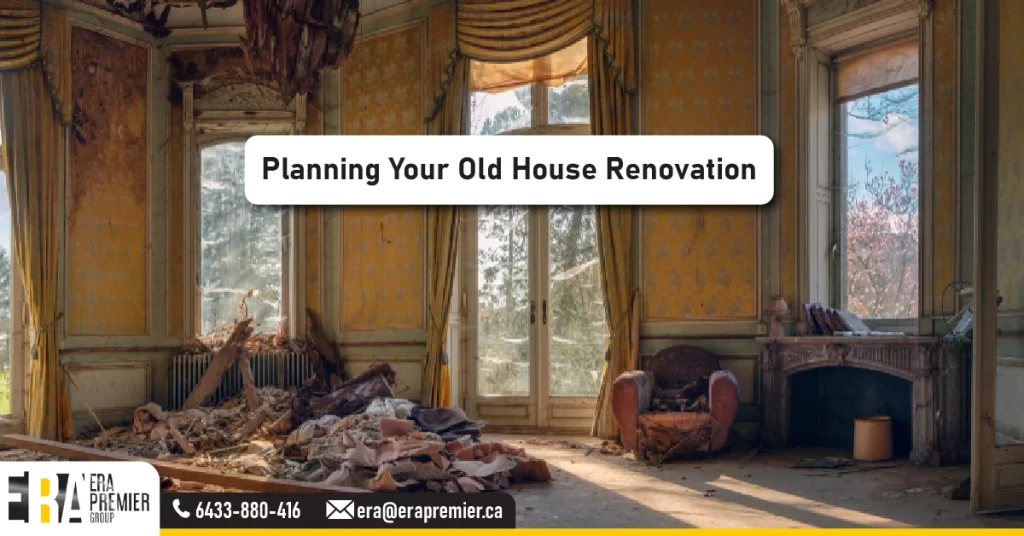
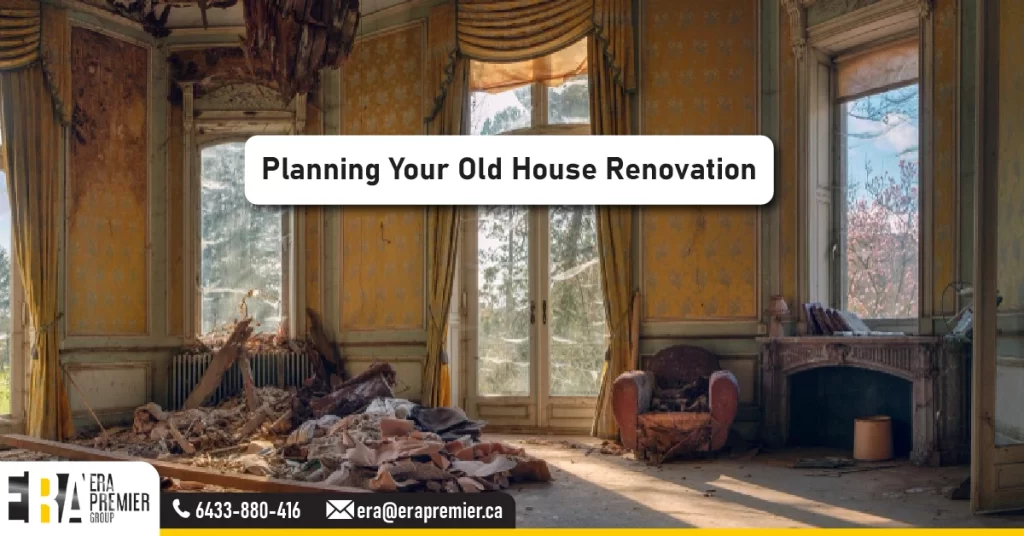
Planning Your Old House Renovation
Every successful old house renovation starts with a clear, realistic plan. Unlike modern homes, older properties often come with hidden surprises, outdated materials, and unique structural conditions that require extra attention.
Proper planning helps you set the right expectations, manage your budget, and avoid costly mistakes down the road. Whether you’re updating a 1950s bungalow or restoring a century-old Victorian home, having a solid plan ensures that your old house renovation stays organized, efficient, and rewarding from start to finish.
Setting a Realistic Budget
Budgeting is one of the most critical parts of any old house renovation. Older homes can be unpredictable—what looks like a simple paint job might turn into a major wall repair once you uncover hidden damage. Start by identifying your renovation priorities: structural fixes, system upgrades, and aesthetic improvements.
It’s wise to allocate at least 15–20% of your total budget for unexpected expenses that may arise during your old house renovation. Getting multiple contractor quotes and researching material costs in Toronto will also help you stay within your financial limits while maintaining quality.
Custom Home Building in Richmond Hill
Getting the Right Permits in Toronto
Before you begin your old house renovation, it’s essential to understand the permit requirements in Toronto. Many older properties, especially those in historic districts, fall under specific zoning or heritage protection laws. Without proper permits, you could face delays, fines, or even be required to undo completed work.
Contact the City of Toronto’s Building Division to confirm which permits you’ll need for structural changes, plumbing, or electrical upgrades. Having the right documentation in place will make your old house renovation process smoother and legally compliant from day one.
Hiring Experienced Contractors
Not all contractors have experience with older homes and that can make a huge difference. When choosing professionals for your old house renovation, look for teams familiar with historical materials, traditional construction techniques, and local building codes. An experienced contractor can help preserve your home’s original character while ensuring safety and functionality.
Ask for references, review portfolios, and make sure they’re licensed and insured in Ontario. A skilled contractor doesn’t just execute your old house renovation they guide you through it, offering insights that save time, money, and stress.
Proper planning is what separates a stressful remodel from a rewarding old house renovation experience. By setting a clear budget, securing the right permits, and hiring professionals who understand older structures, you’ll be ready to bring new life to your Toronto home without losing its timeless charm.
To read more: the home construction process
Essential Old House Renovation Checklist
Every old house renovation needs a well-organized plan to ensure that no detail is overlooked. Older homes require special attention in key areas like structure, systems, and energy efficiency.
This checklist covers the most important steps to follow before and during your renovation to help you preserve your home’s charm while updating it for modern living.
✅ Inspecting the Foundation and Structure
Before starting any design work, a full structural inspection is crucial. Many older homes in Toronto have foundations made from stone, brick, or early concrete that may have weakened over time. Cracks, shifting, or water damage are early signs of deeper issues. A professional structural engineer can assess stability and recommend necessary reinforcements.
Taking care of these repairs early prevents future complications and ensures that your old house renovation stands on a strong, secure base.
✅ Electrical and Plumbing Upgrades
One of the first priorities in any old house renovation is upgrading outdated systems. Knob and tube wiring or old galvanized pipes are common in older Toronto homes and can pose serious safety risks.
Replacing them with modern, energy efficient systems improves both safety and reliability. When planning your old house renovation, make sure licensed electricians and plumbers handle these updates to meet Ontario’s building codes.
✅ Restoring Walls, Floors, and Ceilings
Once the structure and systems are sound, it’s time to focus on the interior finishes. Old plaster walls, hardwood floors, and decorative ceilings give these homes character, but they often need careful restoration.
Sanding, refinishing, or replacing damaged sections can bring back the home’s natural beauty while maintaining authenticity. Using traditional materials where possible helps your old house renovation stay true to its original design.
✅ Improving Insulation and Energy Efficiency
Older homes were built in an era when energy efficiency wasn’t a top priority. Poor insulation, single-pane windows, and air leaks are common. Enhancing these areas during your old house renovation will make your home more comfortable and eco friendly.
Consider upgrading attic and wall insulation, sealing gaps, and installing energy efficient windows. Not only will this reduce utility bills, but it will also increase long-term property value.
✅ Preserving Historical Details and Character
One of the joys of an old house renovation is keeping the historical charm intact. Original features like crown moldings, stained-glass windows, vintage fireplaces, and wooden staircases give your home personality. Instead of replacing them, restore and highlight these elements wherever possible. Combining old world craftsmanship with modern design creates a timeless balance that celebrates the home’s history while improving livability.
Following this checklist ensures that your old house renovation stays focused, efficient, and rewarding. From fixing the foundation to enhancing beauty and comfort, each step plays a vital role in bringing your Toronto home back to life stronger, safer, and more stunning than ever.
Design Tips for a Modern Yet Classic Look
When it comes to an old house renovation, one of the biggest challenges is blending the home’s historical charm with modern functionality. Striking the right balance ensures that your Toronto home feels fresh and updated while retaining the unique character that makes older houses so special.

Balancing Old Charm with Modern Comfort
Maintaining original architectural features like crown moldings, exposed beams, or vintage fireplaces adds warmth and personality to your home. However, modern homeowners often want open layouts, updated kitchens, and smart home features.
During your old house renovation, consider ways to integrate these upgrades without compromising historic details. For example, keeping original hardwood floors while opening up a wall for a more spacious living area can create a harmonious mix of old and new.
Choosing the Right Materials and Colors
Selecting materials and colors carefully is key to a successful old house renovation. Use finishes that complement the home’s original style natural wood, classic tiles, or subtle paint palettes work well with vintage details. At the same time, incorporate modern, durable materials where necessary, such as energy efficient windows or sustainable flooring.
Thoughtful choices will enhance both aesthetics and functionality, ensuring that your renovation looks timeless and feels comfortable for everyday living.
The best real estate consultancy in Canada
By following these design tips, your old house renovation will not only preserve the unique character of your home but also create a space that meets the needs of modern life combining elegance, practicality, and long-lasting appeal.
Cost Considerations for Old House Renovation in Toronto
One of the most important aspects of any old house renovation is understanding and managing costs. Renovating an older home in Toronto can be more expensive than working on a newer property due to hidden repairs, outdated systems, and preservation requirements. By anticipating expenses and planning wisely, you can avoid financial surprises and ensure your project stays on track.
Average Renovation Costs per Square Foot
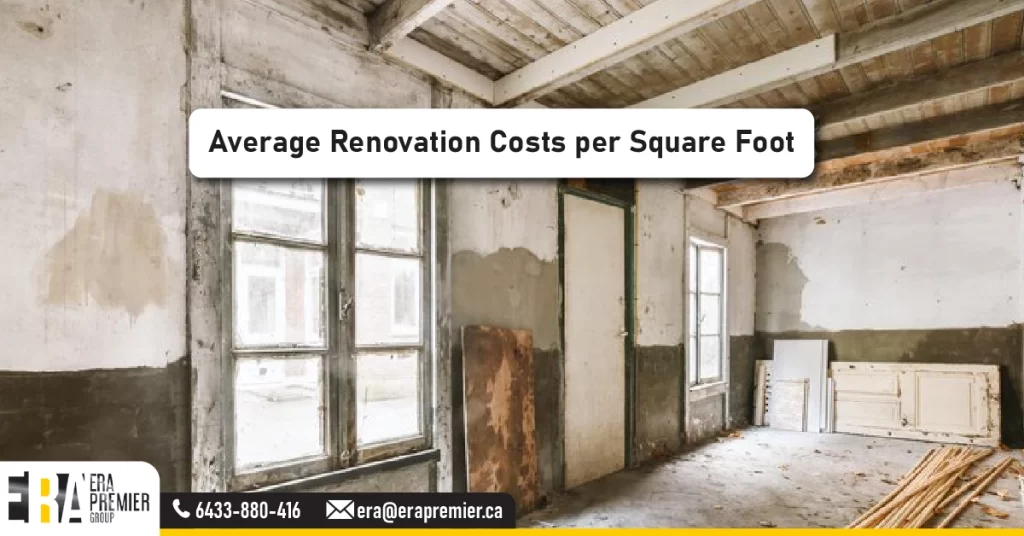
The cost of an old house renovation varies depending on the home’s size, age, and the scope of work. On average, Toronto homeowners can expect to spend between CAD 200 and CAD 400 per square foot for a comprehensive renovation. Structural repairs, system upgrades, and custom finishes often drive the higher end of this range. Accurately estimating these costs early allows you to allocate funds appropriately and avoid cutting corners on crucial improvements.
To read more: Average Cost to Build a House in Toronto
Saving Money Without Compromising Quality
While it’s tempting to reduce costs, careful planning can help you save money without sacrificing quality in your old house renovation. Some strategies include:
- Prioritizing essential repairs before cosmetic upgrades.
- Reusing or restoring original materials like hardwood floors or doors.
- Comparing multiple contractor quotes to get competitive pricing.
- Scheduling renovations in phases to spread out expenses.
Smart budgeting ensures your old house renovation improves both the home’s functionality and value while staying financially manageable.
This careful consideration of costs helps Toronto homeowners make informed decisions, turning their old house renovation dreams into a reality without unexpected financial setbacks.
The best real estate consultancy in Canada
Final Tips Before You Start Your Renovation
Before diving into any old house renovation, preparation and foresight are key to a smooth and successful project. These final tips will help you avoid common pitfalls, manage your time effectively, and ensure your Toronto home is restored with care and precision.
Common Mistakes to Avoid
Even experienced homeowners can make errors when renovating older properties. Some common mistakes to watch out for during your old house renovation include:
⇒ Underestimating the time required for structural repairs or system upgrades.
⇒ Ignoring hidden issues like mold, asbestos, or outdated wiring.
⇒ Overlooking the importance of proper permits and local regulations.
⇒ Focusing solely on aesthetics without addressing essential repairs first.
By keeping these points in mind, you can prevent costly delays and ensure a safer, more efficient old house renovation.
To read more: Top Mistakes Homeowners
When to Consult a Home Renovation Expert
Even with careful planning, some aspects of an old house renovation may require professional guidance. Structural assessments, complex electrical or plumbing upgrades, and heritage preservation considerations are areas where expert advice is invaluable. Hiring a knowledgeable contractor or architect experienced in Toronto’s older homes ensures that your renovation respects the home’s character while meeting modern standards for safety and comfort.
By following these final tips, you’ll enter your old house renovation with confidence, clarity, and a roadmap for success. Proper preparation, attention to detail, and expert guidance will help you transform your older Toronto home into a space that is both beautiful and functional for years to come.
Conclusion: Bringing New Life to Your Old Toronto Home
Undertaking an old house renovation in Toronto is both a challenging and rewarding experience. From understanding the unique characteristics of older homes to planning, budgeting, and carefully executing each step, every detail matters. By following a structured checklist, prioritizing essential repairs, upgrading systems, and thoughtfully blending modern comforts with historical charm, you can transform your home into a space that is both functional and full of character.
Remember, successful old house renovation isn’t just about aesthetics it’s about preserving the home’s history, ensuring safety, and increasing long-term value. With careful planning, the right professionals, and a clear vision, your Toronto home can emerge from its renovation stronger, more beautiful, and ready for many years of enjoyment.