

Building a new home is more than just a project it’s the beginning of a dream. However, the home construction process can be complex and challenging if you don’t know what to expect. By understanding each stage of construction, you can make smarter decisions, avoid unnecessary costs, and enjoy a smoother building experience. Whether you’re collaborating with a professional builder or managing the process yourself, this step-by-step guide will help you understand how your dream home takes shape from the ground up.
Step 1: Planning and Design
Every great Home Construction project begins with a clear vision and a well-thought-out plan. The planning and design stage is where your dream home starts to take shape long before the first brick is laid. In this phase, you’ll make crucial decisions that will determine the success, cost, and timeline of your entire Home Construction journey.
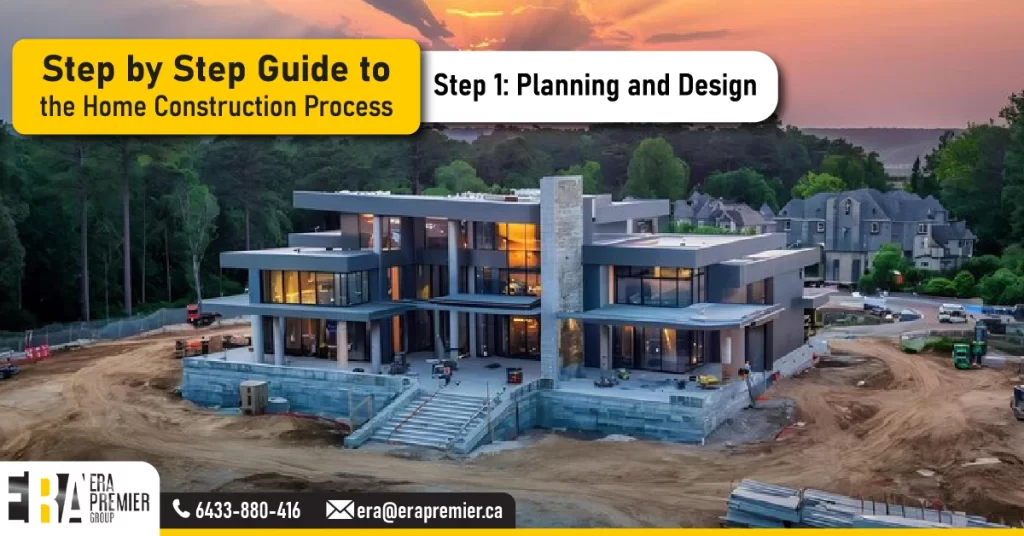
The first step is choosing the right location and lot size. The land you select affects everything from your home’s layout and lighting to its long-term value. Next, you’ll collaborate with an architect or home designer to create blueprints that reflect your lifestyle, budget, and aesthetic goals. A well-designed plan ensures that every square foot of your home serves a purpose and aligns with your vision.
It’s also essential to review zoning laws, building codes, and neighborhood regulations early in the Home Construction process. These rules can impact where and how you build from the height of your house to the placement of driveways and garages. Ignoring them could lead to delays or costly redesigns later on.
💡 Pro Tip: Spend as much time as needed in the planning phase. Adjusting designs or materials on paper is far easier and far cheaper than making changes once your Home Construction is underway. A strong, detailed plan is the foundation of a smooth and successful building experience.
Step 2: Securing Permits and Approvals
Before you start building, it’s essential to make sure your Home Construction project follows all local laws and safety requirements. The permitting phase might not be the most exciting part of the journey, but it’s one of the most important. Without the proper permits and approvals, your entire Home Construction process could face delays, fines, or even a complete stop.
To begin, you’ll need to submit your architectural and structural plans to your local building department. Each city or region has its own requirements, so it’s wise to consult your contractor or designer to ensure every document is complete and accurate. During this stage, officials review your plans to confirm that your Home Construction meets zoning regulations, building codes, and energy-efficiency standards.
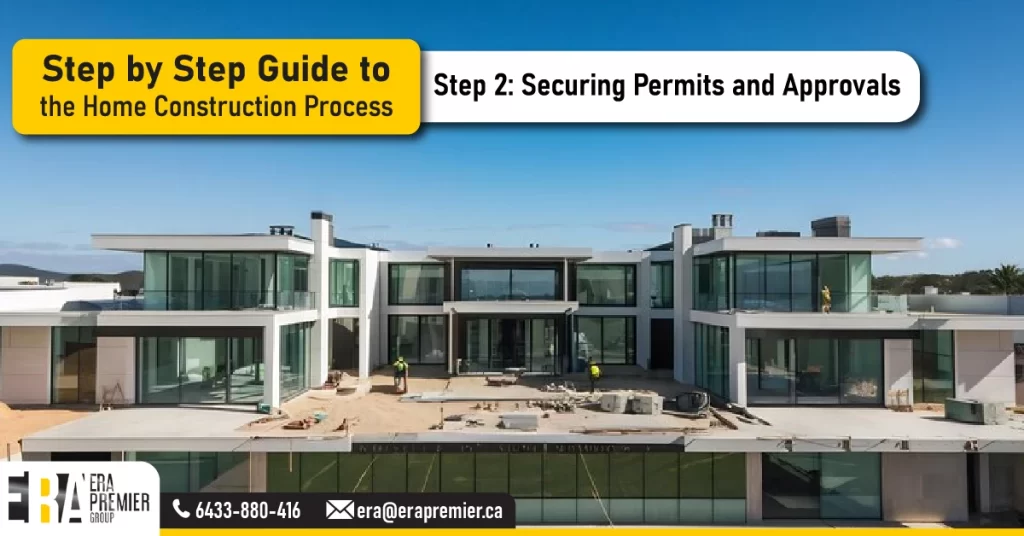
Once approved, you’ll receive specific permits for various stages of the project including excavation, foundation, framing, plumbing, electrical work, and roofing. Each permit ensures that your Home Construction adheres to safety and quality standards at every level.
Throughout the process, expect multiple inspections by certified officials. These on-site checks verify that the work aligns with the approved plans and complies with local codes. Passing these inspections is a critical step toward completing your Home Construction smoothly and legally.
Building permits and approvals
💡 Pro Tip: Don’t view permits as obstacles think of them as safeguards. They protect your investment, your future home, and everyone who will live inside it. Taking the time to secure proper approvals ensures your Home Construction is safe, compliant, and built to last.
To know more: Top Building Permit Mistakes to Avoid
Step 3: Preparation and Foundation
After securing all permits and approvals, the next crucial stage in Home Construction is preparing the site and building a strong foundation. This step sets the stage for the entire project a well-prepared site ensures your home is safe, stable, and long-lasting.
Site preparation begins with clearing the land. This involves removing trees, rocks, debris, and any obstacles that could interfere with construction. Proper grading follows, leveling the ground to provide the correct slope for drainage and to prevent future water problems around your home. Attention to detail here is critical mistakes in site preparation can lead to costly structural issues down the line.
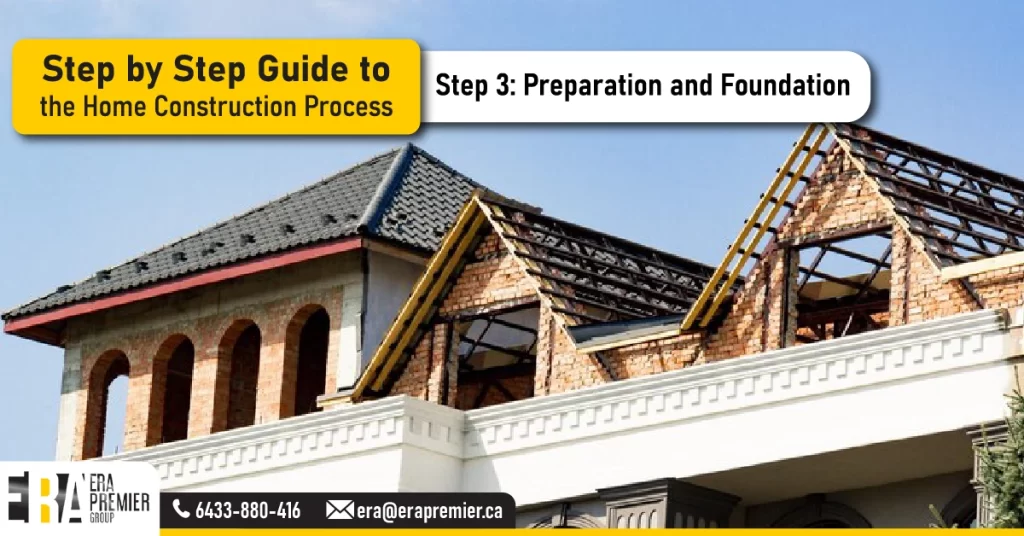
Once the site is ready, construction moves to laying the foundation. The type of foundation depends on your Home Construction design, soil conditions, and local building codes. Common types include concrete slabs, crawl spaces, or full basements. Regardless of the type, the foundation must be poured and cured with precision to support the weight and structure of your home for decades.
Waterproofing and reinforcement are also key components of this phase. Proper waterproofing prevents moisture from seeping into your home, while steel reinforcements provide additional strength and durability. Every detail in the foundation stage plays a vital role in the success of your Home Construction project.
Architectural and interior design in Canada
💡 Pro Tip: Treat the foundation as the backbone of your home. Invest in quality materials, skilled labor, and careful planning during site preparation and foundation work it’s an investment that will pay off for the life of your home.
Step 4: Framing The Home Begins to Take Shape
Once the foundation is set, your Home Construction project moves into one of the most visually exciting phases: framing. This is when your dream home literally starts to rise from the ground, and the structure begins to reveal its shape.
Framing forms the skeleton of your house, providing the framework for walls, floors, and roof. Builders typically use wood or steel beams to construct the frame, carefully following the blueprints developed during the planning phase. Each beam and support is positioned precisely to ensure stability and durability, as the framing sets the foundation for all future construction work.
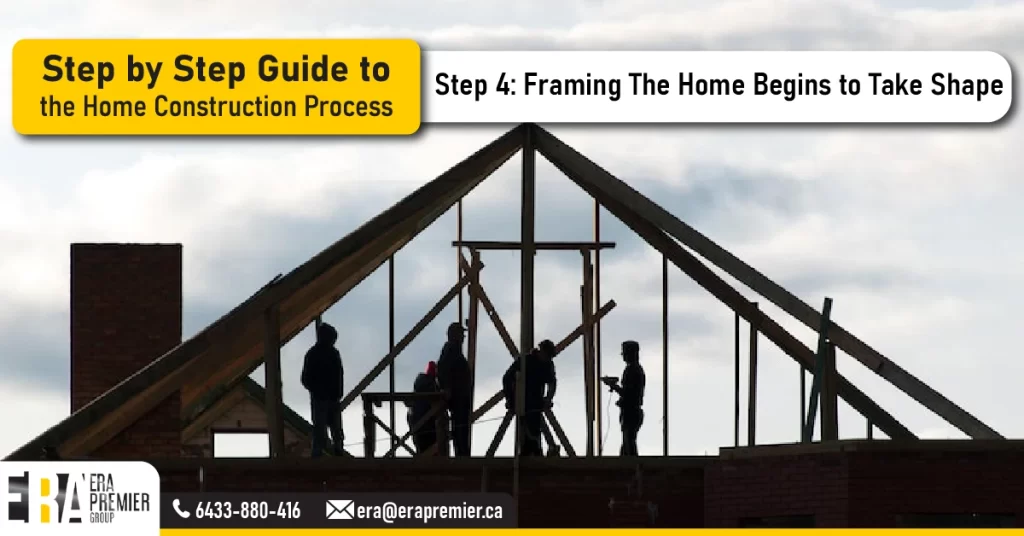
During this stage, exterior walls, interior partitions, and floor joists are installed. Openings for windows and doors are framed, defining the home’s layout and flow. Your Home Construction project now starts to take a tangible form, allowing you to see the dimensions of your rooms, hallways, and common areas.
In addition to physical construction, this phase involves critical safety checks. Proper alignment, structural reinforcements, and adherence to building codes are all verified to ensure your Home Construction is strong and compliant. Any errors at this stage can affect the overall stability of the home, so attention to detail is essential.
💡 Pro Tip: While framing, take time to walk through the space and visualize your furniture, lighting, and daily movement. This step not only confirms the design but also allows for adjustments before walls are closed — saving time and money later in your Home Construction journey.
To know more: Custom Home Building in Richmond Hill
Step 5: Plumbing, Electrical, and HVAC
After the framing is complete, your Home Construction project moves into the phase where the house begins to function as a living space. This stage focuses on installing the essential systems that make a home safe, comfortable, and efficient: plumbing, electrical wiring, and HVAC (heating, ventilation, and air conditioning).
Plumbing is the first step, ensuring that clean water reaches every faucet and that waste is safely removed. During this part of Home Construction, water supply lines, drainage systems, and sewer connections are carefully installed and tested for leaks and proper flow.
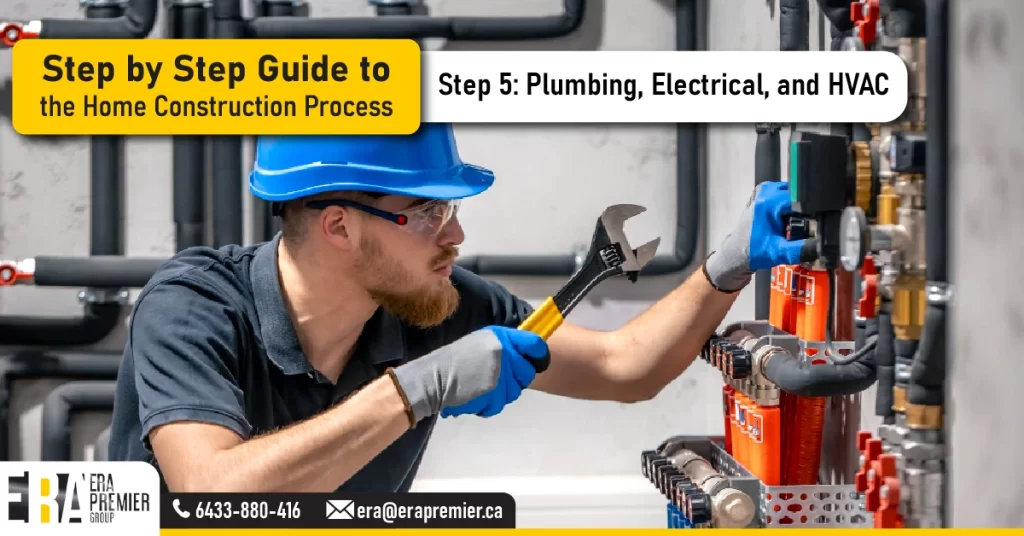
Electrical systems come next. This includes running wires for lighting, outlets, and major appliances throughout the home. Proper installation is critical, as faulty wiring can lead to hazards and future maintenance issues. Each wire is routed according to the blueprint to meet both safety standards and the functional needs of your home.
HVAC systems are installed simultaneously to provide efficient heating, cooling, and ventilation. Proper placement of ducts, vents, and units ensures that your home maintains a comfortable temperature year-round. Attention to detail during this phase maximizes energy efficiency and contributes to the long-term sustainability of your Home Construction project.
💡 Pro Tip: Coordinate these three systems carefully. Ensuring that plumbing, electrical, and HVAC installations do not interfere with each other saves time, prevents costly mistakes, and keeps your Home Construction on schedule. Early inspections during this stage help confirm that everything meets local building codes and quality standards.
Building permits and approvals
Step 6: Insulation and Drywall
With plumbing, electrical, and HVAC systems in place, your Home Construction project enters the phase where the home starts to feel like a living space. This stage focuses on insulation and drywall installation, which not only define the interior structure but also enhance comfort, energy efficiency, and sound control.
Insulation is installed within walls, ceilings, and floors to regulate indoor temperatures and reduce energy costs. Proper insulation ensures your home stays warm in winter and cool in summer, improving overall comfort and contributing to sustainable Home Construction practices. Different types of insulation such as fiberglass, foam, or cellulose are chosen based on climate, budget, and building codes.
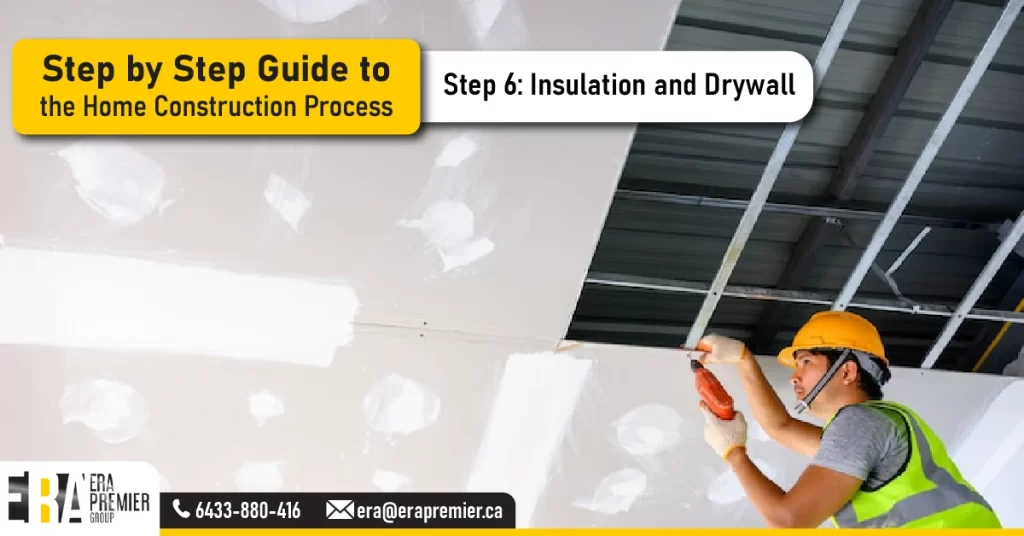
After insulation, drywall (also called plasterboard) is hung on interior walls and ceilings. Drywall creates smooth, finished surfaces, ready for painting and decoration. During Home Construction, drywall panels are carefully aligned, taped, and sanded to eliminate seams and imperfections, providing a polished canvas for your interior design.
Architectural and interior design in Canada
💡 Pro Tip: Pay attention to the quality of insulation and drywall installation. Proper workmanship in this phase not only ensures comfort and efficiency but also makes subsequent finishing tasks, like painting and cabinetry, much easier. Well-installed insulation and drywall are key steps that add lasting value to your Home Construction project.
To know more: Step by Step Guide to Building Permits in Ontario
Step 7: Interior and Exterior Finishes
After the walls are insulated and drywall is complete, your Home Construction project enters the exciting phase of interior and exterior finishes. This stage is where your home truly comes to life, reflecting your personal style, preferences, and vision.
Interior finishes include painting walls and ceilings, installing flooring, cabinets, countertops, and fixtures. Lighting, door hardware, and other design details are added to create a comfortable, functional, and aesthetically pleasing living environment. Every choice made during this phase enhances the overall quality and appeal of your Home Construction project.
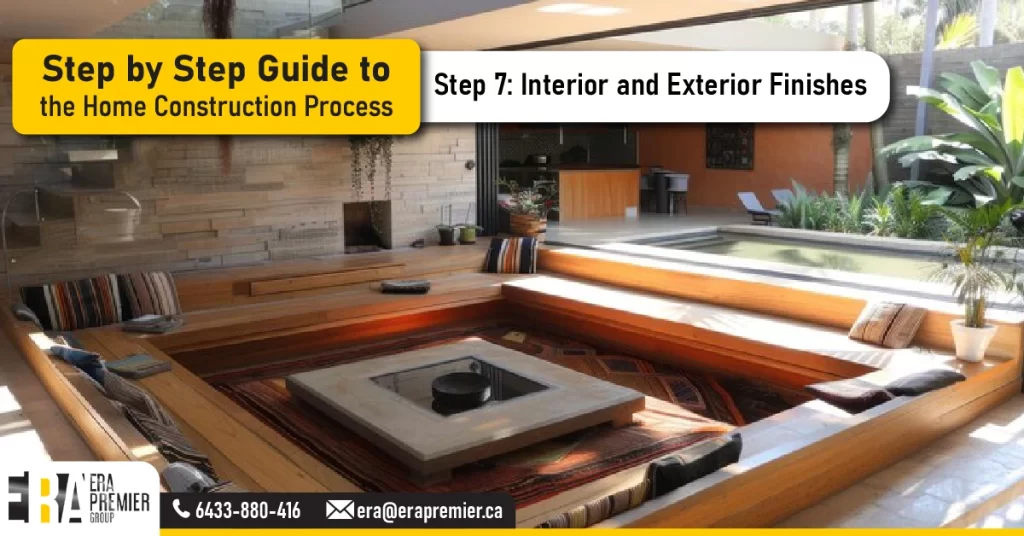
Exterior finishes are equally important. Siding, roofing, windows, doors, and landscaping define the home’s curb appeal and protect it from the elements. Proper installation of these elements ensures durability, energy efficiency, and long-term value. From the color of the exterior walls to the design of outdoor spaces, finishes are the finishing touches that transform a house into a dream home.
💡 Pro Tip: Pay careful attention to both interior and exterior finishes. High-quality materials and precise installation not only improve the home’s beauty but also contribute to its longevity. Thoughtful finishing choices are the final steps that make your Home Construction truly complete.
Architectural and interior design in Canada
Step 8: Final Inspections and Walkthrough
As your Home Construction project nears completion, the final inspections and walkthrough mark a critical phase to ensure that every aspect of your home is safe, functional, and built to code. This stage is where you confirm that your dream home has been constructed according to plan and meets all regulatory requirements.
Final inspections are conducted by local building officials to verify that structural, electrical, plumbing, and HVAC systems comply with safety standards. Inspectors also check that the work aligns with the permits issued at the start of your Home Construction project. Passing these inspections is essential before you can move in and enjoy your new home.
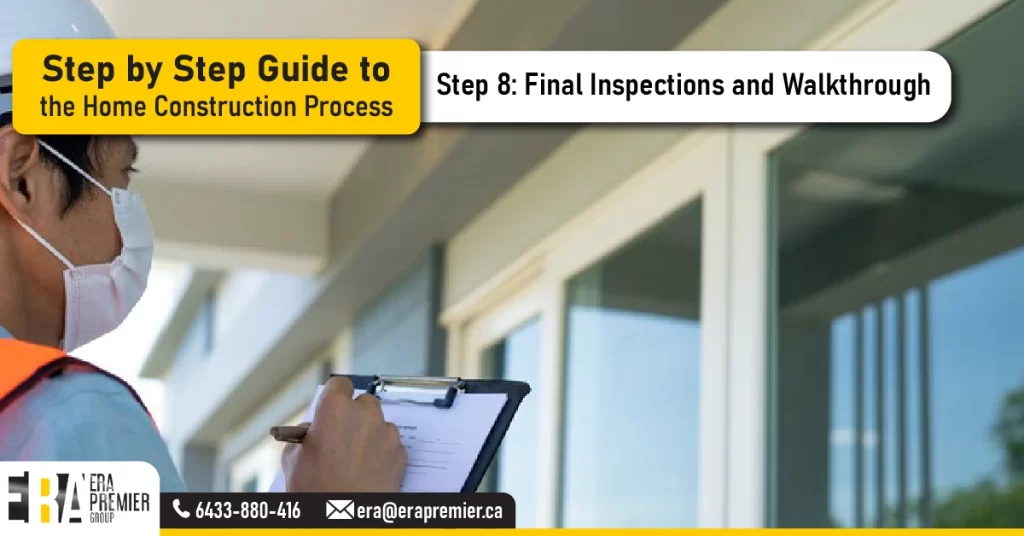
After official inspections, the walkthrough with your builder allows you to inspect every detail personally. This is your opportunity to identify minor touch-ups, cosmetic fixes, or adjustments needed to meet your expectations. A thorough walkthrough ensures that your Home Construction project is completed to the highest standard, giving you confidence and peace of mind.
💡 Pro Tip: Treat the final inspections and walkthrough as an essential step, not just a formality. Carefully reviewing every corner of your home ensures quality, safety, and satisfaction, and protects the long-term value of your Home Construction investment.
Step 9: Move In and Maintenance
Congratulations! Your Home Construction project is now complete, and it’s finally time to move in and enjoy the space you’ve envisioned. However, even after construction ends, proper maintenance is essential to protect your investment and ensure your home remains safe, comfortable, and efficient for years to come.
Move-in is more than just unpacking boxes. Take the time to familiarize yourself with your home’s systems including plumbing, electrical, and HVAC so you can identify any potential issues early. Document warranties and manuals for appliances, fixtures, and materials used in your Home Construction to make future repairs easier and more efficient.
Maintenance is key to extending the life of your home. Regularly inspect your roof, gutters, plumbing, electrical systems, and HVAC units. Seasonal checks and preventative care can prevent minor problems from becoming major repairs, protecting both your home’s value and your peace of mind. Proper maintenance also preserves the quality of interior and exterior finishes, ensuring your Home Construction continues to look and perform its best over time.
💡 Pro Tip: Create a home maintenance schedule and stick to it. Small, consistent efforts help your home remain safe, energy-efficient, and beautiful allowing you to fully enjoy the fruits of your Home Construction journey.
To know more: Top Building Permit Mistakes to Avoid
Conclusion
Building a home is an exciting and rewarding journey, but it requires careful planning, attention to detail, and a clear understanding of each step in the Home Construction process. From planning and securing permits to laying the foundation, installing essential systems, finishing interiors and exteriors, and finally moving in, every stage plays a critical role in creating a safe, functional, and beautiful home.
By following this step by-step guide, you can navigate the complexities of Home Construction with confidence, avoid costly mistakes, and make informed decisions that align with your vision. Remember, a well-planned and executed construction project not only delivers a dream home but also ensures long-term value, comfort, and peace of mind.
💡 Final Tip: Treat your Home Construction journey as both a process and an investment. Every decision, from design to maintenance, contributes to the longevity, safety, and enjoyment of your home. With careful planning, quality materials, and attention to detail, your dream home will be more than just a structure it will be a lasting legacy.


43 Comments