

Buying a piece of land for your custom dream home in Canada is both thrilling and full of important decisions. From finding the right neighborhood to navigating local zoning rules and building regulations, every choice you make shapes the home you’ll eventually live in. Whether it’s your first time buying or you’ve done it before, having a clear plan can make the journey much smoother and more enjoyable. In this guide, we’ll take you step by step through everything you need to know to turn that perfect plot of land into the home you’ve always imagined.
Buying Land | Your First Step to Creating the Custom Home You’ve Always Dreamed Of
Buying land is the very first and most crucial step in building your custom home. Before any architectural plans or interior designs come into play, the location, size, and features of your land set the foundation for everything else.
A carefully chosen plot determines not only the aesthetic possibilities but also the functional aspects of your future home—everything from the layout and orientation to natural lighting and outdoor spaces. For a custom home, having the right land means you can truly tailor every detail to your lifestyle, ensuring your home feels personal, comfortable, and uniquely yours. Skipping this step or choosing land without careful consideration can limit your design options and make it harder to achieve the dream home you’ve envisioned.

Key Factors to Consider Before Purchasing Land in Canada
Before purchasing land in Canada, it’s essential to consider several key factors:
- Location: The neighborhood and proximity to schools, workplaces, shopping centers, and other amenities directly impact your lifestyle and the long-term value of your property.
- Zoning Regulations and Building Restrictions: Understanding local zoning laws ensures your custom home design complies with legal requirements and avoids future complications.
- Topography, Soil Quality, and Drainage: The land’s physical characteristics affect construction feasibility, costs, and potential landscaping options.
- Utilities and Infrastructure: Check the availability of water, electricity, sewage, and internet to ensure a smooth building process.
- Future Development Potential: Investigate surrounding areas for upcoming projects or changes that might affect your property’s value or environment.
- Access and Transportation: Ensure the land has proper road access and connectivity to major routes for convenience and emergency services.
Carefully evaluating these factors before purchasing land in Canada lays the groundwork for a successful and stress-free custom home project.
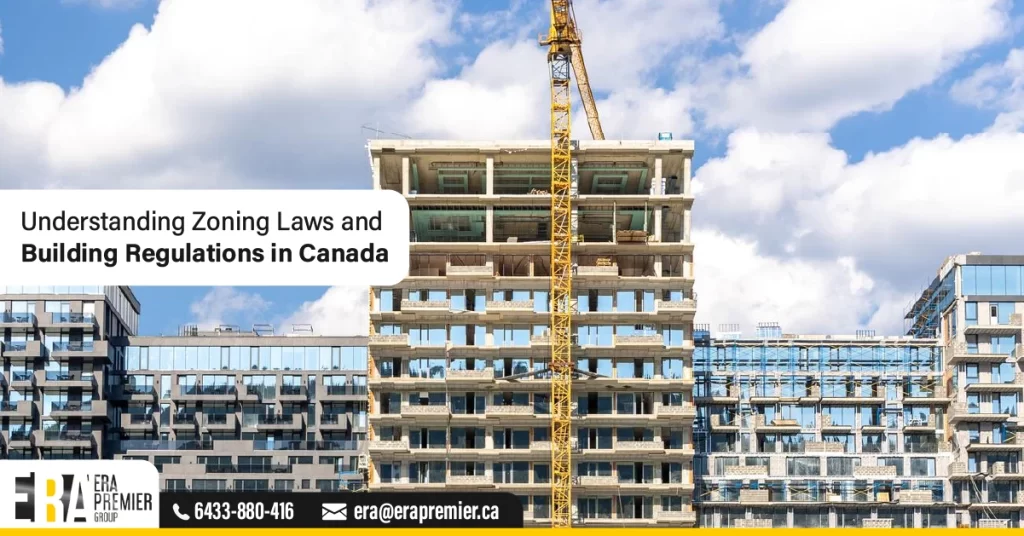
Understanding Zoning Laws and Building Regulations in Canada
When planning to build a custom home with ERA Premier, understanding zoning laws and building regulations is essential. These rules form the backbone of every successful project, ensuring your home is safe, compliant, and perfectly suited to its location.
Zoning Laws – Shaping Your Property’s Potential
Zoning laws define how land can be used and what can be built on it. In Canada, municipalities typically classify land into:
- Residential Zones: Ideal for single-family homes, townhouses, or apartment units, depending on the neighborhood.
- Commercial Zones: Areas for businesses, shops, or offices.
- Industrial Zones: Reserved for manufacturing, warehouses, and other industrial operations.
Other key zoning considerations include:
- Density & Height Limits: These determine how large your custom home can be and how many units a property can accommodate.
- Setbacks & Lot Coverage: Minimum distances from property lines and maximum land coverage help maintain privacy, safety, and proper landscaping.
- Special Permits & Variances: Sometimes, unique land features or design visions may require exceptions, which municipalities can grant under specific conditions.
- Environmental & Heritage Restrictions: Certain plots may have additional regulations to protect natural features or historic sites.
Building Regulations – Ensuring Quality and Safety
Canada’s National Building Code (NBC) sets the standard for safe and sustainable construction, covering:
- Structural Safety – Ensuring your home can withstand natural forces.
- Fire Protection – Fire-resistant materials and safe evacuation routes.
- Accessibility – Making your home welcoming for everyone, including those with special needs.
- Energy Efficiency – Promoting sustainable design to reduce energy consumption and utility costs.
Provinces and municipalities may add their own rules, so your ERA Premier team always ensures your project complies with local requirements.
Permits and Professional Guidance
Before construction begins, obtaining proper building permits is mandatory. This includes approvals for general construction, electrical systems, plumbing, and final occupancy. ERA Premier’s experienced architects, engineers, and project managers guide you through every step, ensuring all inspections and regulations are handled seamlessly.
Why This Matters for Your Custom Home
By understanding zoning laws and building regulations, ERA Premier ensures your custom home not only meets your aesthetic dreams but also adheres to safety, legal, and sustainability standards. With the right land and expert guidance, your vision becomes a reality—every detail carefully planned and executed to create the home you’ve always imagined.
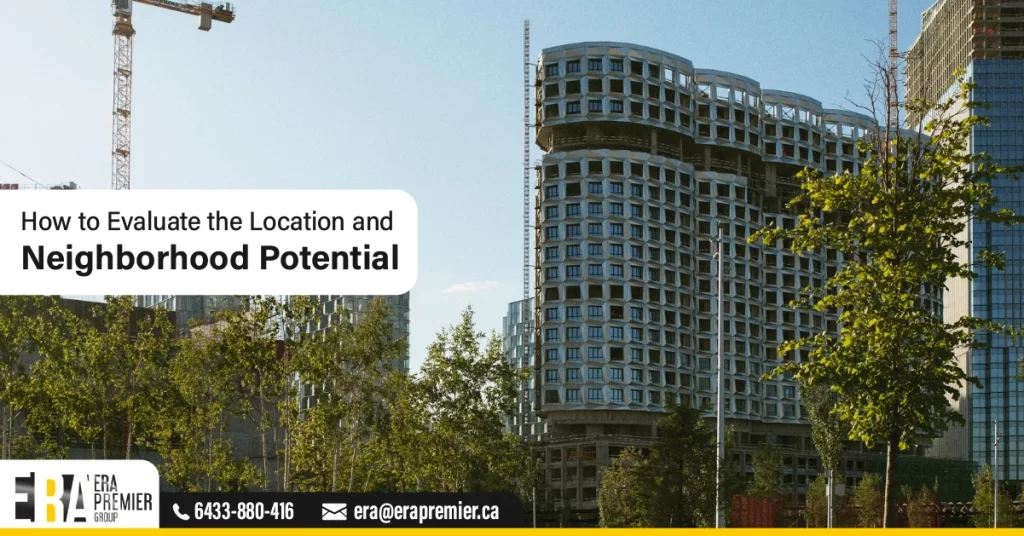
How to Evaluate the Location and Neighborhood Potential
Choosing the right land for your custom home isn’t just about the plot itself—it’s also about the surrounding area and neighborhood. A property can only reach its full potential if it’s located in a place that supports your lifestyle, long-term investment goals, and personal comfort.
Key Considerations for Location
- Proximity to Amenities – Think about schools, shopping centers, hospitals, parks, and public transportation. Easy access to daily necessities adds convenience and enhances the quality of life for you and your family.
- Community Vibe and Safety – Visit the neighborhood at different times of the day. Pay attention to traffic, noise levels, and how well-maintained the surroundings are. Safety, community spirit, and neighborly relations play a big role in how you experience your home.
- Future Development Plans – Investigate upcoming projects or municipal plans. New roads, commercial centers, or residential developments can affect property value positively or negatively, so knowing what’s on the horizon helps you make an informed choice.
- Natural Features and Landscape – Parks, lakes, rivers, and green spaces not only create a pleasant environment but can also enhance your property’s value. Assess the land’s slope, drainage, and natural features to ensure they complement your custom home design.
- Resale and Investment Potential – Even if you plan to stay long-term, considering the resale value is wise. Locations in growing communities with strong infrastructure and good schools generally retain or increase their value over time.
At ERA Premier, we guide you through this evaluation process, helping you understand how the location and neighborhood align with your vision. By carefully analyzing these factors, you can select a property that not only fits your dream home design but also offers long-term satisfaction and value.
Financing Options for Land Purchase and Custom Home Construction
Building your custom home is an exciting journey, but it also requires careful financial planning. Understanding your financing options before purchasing land or starting construction can save you time, stress, and unexpected costs.
1. Land Loans
Land loans are specifically designed for purchasing a plot of land. Unlike traditional mortgages, these loans often have higher interest rates and may require a larger down payment. ERA Premier recommends assessing the land’s location, zoning, and development potential to increase your chances of approval.
2. Construction Loans
Construction loans provide funding for the actual building process. They are typically short-term and release funds in stages as construction milestones are completed. With ERA Premier, you’ll receive guidance on creating a realistic budget and schedule, ensuring that funds are available exactly when you need them.
3. Mortgage Options for Custom Homes
Once your land is ready and construction begins, transitioning to a mortgage is common. Many lenders offer specialized custom home mortgages, which combine the cost of land purchase and construction into a single loan. This approach simplifies payments and keeps financing organized.
4. Government Programs and Incentives
In Canada, some provincial and federal programs can help homebuyers with financing, tax credits, or grants. These incentives can sometimes cover energy-efficient construction features, sustainability upgrades, or first-time buyer benefits. ERA Premier stays updated on available programs to ensure clients take full advantage.
5. Private Financing Solutions
For unique projects or higher-end custom homes, private financing may be an option. Working with a trusted financial advisor and ERA Premier’s team can help structure deals that fit your project’s scale and timeline.
By understanding and planning your financing strategy early, you’ll have the confidence to move forward with your custom home project. ERA Premier ensures that every financial decision aligns with your dream home goals, making the building process smooth and stress-free.
Hidden Costs You Shouldn’t Overlook When Buying Land
Purchasing land for your custom home is an exciting step, but many buyers overlook the hidden costs that can add up quickly. Understanding these expenses early helps you budget accurately and avoid surprises down the line.
🔵 Land Preparation and Grading
Before construction begins, the land often requires clearing, grading, and leveling. Uneven terrain, large trees, or rocky soil can increase costs significantly. ERA Premier evaluates your plot to estimate preparation needs accurately.
🔵 Utility Connections
Water, electricity, gas, sewage, and internet may not always be immediately available on a new lot. Connecting these utilities can involve substantial fees, especially if the nearest connection point is far from your property.
🔵 Permits and Legal Fees
Building a custom home requires permits for construction, plumbing, electrical work, and sometimes environmental compliance. Legal fees for land transfer, zoning approvals, and easements can also add to your budget.
🔵 Site Surveys and Inspections
Professional surveys confirm property boundaries and detect potential issues like flood zones or soil instability. While essential, these surveys and inspections are additional costs that many buyers underestimate.
🔵 Property Taxes and Ongoing Fees
Even before construction, property taxes, local improvement charges, and homeowner association fees (if applicable) can accumulate. Factoring these costs ensures your project stays financially sustainable.
🔵 Access and Infrastructure Costs
Creating driveways, roads, or culverts, particularly in rural areas, may be necessary for proper access. These infrastructure improvements are often overlooked but can be costly.

By accounting for these hidden costs from the start, ERA Premier helps you plan a realistic budget for your custom home project. Proper foresight ensures there are no unexpected setbacks, keeping your dream home on track and stress-free.
Tips for Working with Real Estate Consultants and Builders
Collaborating with the right experts is essential for a smooth custom home journey. Here are key tips:
→ Choose Experienced Consultants: Real estate consultants familiar with local markets can guide you to the best plots, saving time and avoiding costly mistakes.
→ Communicate Your Vision Clearly: Make sure architects, designers, and builders understand your style, needs, and budget. ERA Premier emphasizes transparent communication at every stage.
→ Verify Credentials and References: Always check licenses, certifications, and past projects to ensure your team has a proven track record.
→ Stay Involved: Regular updates and on-site visits help you stay informed and engaged, preventing surprises and keeping your project aligned with your goals.
The Step-by-Step Process of Turning Land into Your Custom Home
Building a custom home is a journey that requires careful planning. At ERA Premier, we break it down into clear steps:
- Land Acquisition – Secure a property that fits your vision and complies with zoning and building regulations.
- Design & Planning – Work with architects and designers to create detailed plans, including floor layouts, materials, and aesthetics.
- Permits & Approvals – Obtain all necessary building permits and municipal approvals.
- Site Preparation – Clear, grade, and prepare the land for construction.
- Construction Phase – Foundations, framing, roofing, and interior works are completed according to your custom design.
- Inspections & Quality Checks – Ensure every step meets safety, quality, and regulatory standards.
- Final Touches & Handover – Landscaping, finishing, and final inspections before you move into your dream home.
Common Mistakes to Avoid When Buying Land for a Custom Home
Avoiding common pitfalls can save you time and money. Key mistakes to watch out for include:
- Ignoring Zoning Laws: Buying land without checking permitted uses can halt or restrict your project.
- Overlooking Hidden Costs: Preparation, utilities, permits, and taxes often add up.
- Neglecting Neighborhood Research: Location impacts lifestyle, safety, and property value.
- Skipping Professional Guidance: Not consulting experts can result in design flaws or legal issues.
- Underestimating Timeline: Building a custom home takes time; rushing can compromise quality.
ERA Premier ensures clients navigate these challenges smoothly with expert guidance at every step.
Why Choosing the Right Team Matters: Architects, Designers & Builders
The success of your custom home project depends on the team you choose:
⇒ Architects: Transform your vision into practical, beautiful designs that comply with codes.
⇒ Designers: Create interiors that reflect your style and optimize functionality.
⇒ Builders & Contractors: Turn plans into reality with precision, quality materials, and craftsmanship.
With ERA Premier, every project is supported by a team of professionals who collaborate seamlessly. Choosing the right team ensures your home is not just built but crafted to perfection—matching your dreams and exceeding expectations.
Conclusion
Buying land and building a custom home in Canada is an exciting journey that combines vision, planning, and expertise. From carefully selecting the right plot and evaluating the neighborhood, to understanding zoning laws, securing financing, and working with trusted professionals, each step plays a critical role in turning your dream home into reality. By being informed, prepared, and guided by experts like ERA Premier, you can navigate challenges confidently, avoid common pitfalls, and create a home that reflects your personal style, lifestyle, and long-term goals. Your dream home isn’t just built—it’s thoughtfully crafted from the ground up.