

If you’re planning a construction project in Richmond Hill, one of the first questions you might ask is: “What’s the biggest I can build without a permit?” Whether it’s a small addition, a garage, or a backyard structure, knowing the local rules is essential to avoid fines, delays, and unnecessary headaches. In this article, we’ll explore Richmond Hill’s regulations, highlight what types of structures typically don’t require permits, and provide practical tips to help you plan your project safely and efficiently.
custom home builders richmond hill
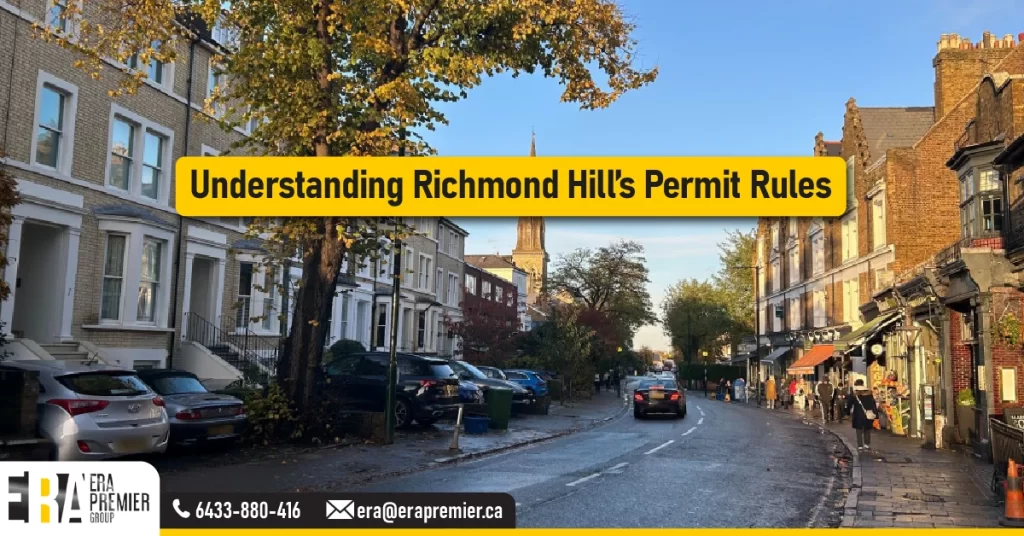
Understanding Richmond Hill’s Permit Rules
Before starting any construction project in Richmond Hill, it’s essential to understand the local permit regulations. Permits are required to ensure that all buildings and additions meet safety standards, zoning laws, and community guidelines. These rules are in place not just to protect your property, but also to maintain the overall safety and aesthetics of the neighborhood.
In Richmond Hill, whether you are planning a new home, an extension, or a detached structure, the type and size of the project often determine if a permit is necessary. Even small projects like sheds, decks, or fences may require approval depending on their dimensions, location, and intended use. It’s important to check with the town’s building department before starting any work, as rules can vary based on zoning, property lines, and environmental considerations.
Understanding these regulations upfront can save you significant time, prevent costly fines, and ensure that your construction project proceeds smoothly. By being informed, you can plan your project confidently, knowing that it complies with Richmond Hill’s standards and local laws.
To read more: Regulations for Home Construction in Richmond Hill
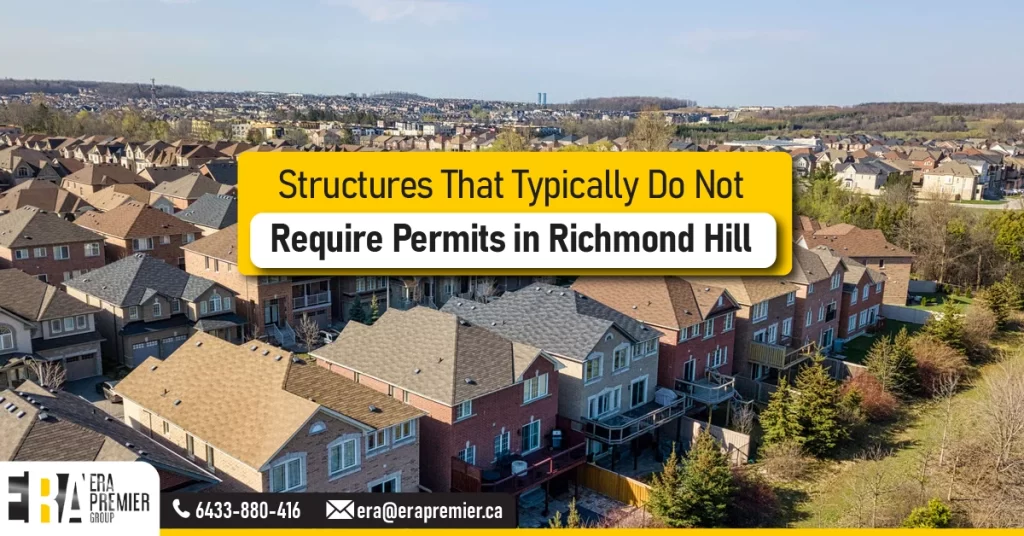
Structures That Typically Do Not Require Permits in Richmond Hill
While many construction projects require permits in Richmond Hill, there are certain small-scale structures and projects that often do not need formal approval. Understanding these exceptions can help homeowners plan minor improvements without unnecessary delays. Here are the most common structures that usually do not require permits:
🟡 Small Sheds and Storage Buildings
Most sheds or storage structures under a certain size typically less than 10 square meters (around 108 square feet) do not require a permit. These buildings are often allowed as long as they meet local setback rules, meaning they are positioned a certain distance from property lines, and are used for personal storage rather than commercial purposes.
🟡 Fences and Low Walls
Simple fences and low garden walls generally do not require a building permit if they meet height restrictions and are located within your property boundaries. For example, fences under a certain height (usually around 1.2 meters in front yards and 2 meters in backyards) are typically allowed without approval. Always check for local height limits to avoid issues with neighbors or city regulations.
🟡 Decks Below a Certain Height
In Richmond Hill, small decks or patios that are close to the ground and not more than a specified height (often around 0.6 meters or 2 feet above grade) usually do not need permits. This exception is for low-impact structures that do not pose a risk to safety or zoning compliance.
🟡 Driveways and Walkways
Adding or replacing a driveway, walkway, or patio made of concrete, asphalt, or pavers often does not require a permit, as long as it does not alter drainage patterns or affect municipal infrastructure. Minor landscaping paths that stay within your property boundaries generally fall under this category.
🟡 Temporary Structures
Temporary structures, such as pop-up tents, seasonal greenhouses, or temporary playhouses, are usually exempt from permits if they are not permanent fixtures and do not exceed local size or height limitations. Duration of use is also an important factor—these structures are allowed for short-term purposes.
🟡 Garden Features and Small Accessory Items
Features such as small fountains, birdhouses, garden pergolas, or lightweight play equipment are generally permitted without formal approval. These are considered low-risk installations and do not typically impact zoning or safety standards.
The Best Real Estate Consulting in Richmond Hill
Size Limits for Unpermitted Builds in Richmond Hill
Even when a structure does not require a formal permit in Richmond Hill, there are still clear size limits that homeowners must follow. These limits ensure safety, maintain neighborhood aesthetics, and prevent legal issues. Here are the key size restrictions for unpermitted builds:
⇒ Sheds and Small Storage Buildings
Unpermitted sheds are typically limited to 10 square meters (approximately 108 square feet). Any storage structure larger than this size will usually require a building permit. The height of these sheds is also regulated most small sheds must not exceed 2.5 meters (8 feet) to remain unpermitted.
⇒ Fences
Fences have specific height restrictions based on their location. Front yard fences are usually limited to 1.2 meters (4 feet), while backyard fences can be up to 2 meters (6.5 feet) without a permit. Exceeding these heights typically requires approval from the town to ensure safety and compliance with zoning rules.
⇒ Decks and Patios
Low decks or patios that do not exceed 0.6 meters (2 feet) above ground level generally do not require a permit. Any elevated decks or multi-level platforms beyond this height will need to follow building code requirements and obtain proper approval.
⇒ Driveways and Walkways
Minor paving projects such as driveways or walkways are usually allowed without a permit if they do not exceed your property boundaries and do not significantly alter drainage patterns. While there isn’t a strict square footage limit, it’s important to stay within standard lot coverage limits set by the town.
⇒ Temporary Structures
Temporary structures, like seasonal greenhouses or tents, are often limited in size to around 15 square meters (160 square feet) and must remain for a short duration only. Permanent or oversized temporary structures will require a permit regardless of their intended use.
⇒ Small Garden Features and Accessory Structures
Items such as pergolas, lightweight playsets, fountains, or gazebos generally have size limits that keep them low-impact. Most of these structures must stay under 2.5 meters (8 feet) in height and not cover a large portion of your yard, ensuring they do not interfere with zoning or property lines.
To read more: Toronto Building Permit Process
Common Mistakes to Avoid When Building Without a Permit in Richmond Hill
Even though some small structures may not require a permit in Richmond Hill, many homeowners make mistakes that can lead to fines, delays, or the need to remove their projects entirely. Understanding these common pitfalls can help you avoid costly problems and keep your construction on track.
Assuming All Small Projects Are Permit-Free
One of the biggest mistakes is assuming that any small structure, no matter its size or location, doesn’t need approval. While sheds, fences, and low decks may be exempt, other projects even minor ones can still require a permit if they exceed size limits, affect property lines, or involve electrical or plumbing work.
Ignoring Setback Requirements
Setbacks are the minimum distances structures must maintain from property lines, streets, or neighboring properties. Failing to follow setback rules is a common issue that can result in fines or orders to relocate the structure. Always verify local zoning regulations before construction.
Overlooking Height Restrictions
Many homeowners build fences, decks, or play structures without checking height limits. Exceeding the allowed height even by a small amount can trigger enforcement actions. Always confirm maximum height allowances for each type of structure.
Not Considering Drainage and Environmental Impact
Adding structures without considering drainage patterns can cause water runoff problems, erosion, or flooding. Even small patios, driveways, or sheds should be positioned to maintain proper drainage and comply with environmental regulations.
Assuming Temporary Structures Are Always Safe
Temporary structures like tents or greenhouses may seem exempt from permits, but leaving them in place for extended periods or placing them in restricted areas can lead to penalties. Check time limits and placement rules for temporary installations.
Skipping Professional Advice
Trying to navigate local regulations without consulting professionals can result in mistakes. Speaking with Richmond Hill’s building department, a licensed contractor, or a local planning consultant can help ensure your project meets all requirements and avoids potential legal issues.
custom home builders richmond hill
By being aware of these common mistakes, homeowners can enjoy the benefits of small-scale construction projects while staying compliant with Richmond Hill’s regulations, saving both time and money.
Potential Consequences of Ignoring Permit Rules in Richmond Hill
Ignoring permit requirements in Richmond Hill can lead to serious complications, both legal and financial. Homeowners who attempt construction without proper approval may face a range of consequences that could have been easily avoided by following local regulations.
Fines and Penalties
The most immediate consequence is financial. The town may issue fines for unpermitted structures, which can accumulate daily or weekly until the issue is resolved. These fines can be substantial, often exceeding the cost of obtaining a permit in the first place.
Orders to Remove or Modify Structures
If a project violates local codes, the municipality can require homeowners to remove or alter the structure entirely. This can be costly, time-consuming, and disruptive, especially if the structure was already completed.
Difficulty Selling or Financing Your Property
Unpermitted structures can complicate future property sales or refinancing. Lenders and buyers often require proof that all buildings comply with local regulations. Failure to provide documentation may delay sales, reduce property value, or even prevent financing.
Increased Liability and Safety Risks
Structures built without permits may not meet safety standards. This can create liability risks if someone is injured on the property. Compliance with building codes ensures that structures are safe, structurally sound, and insured.
Impact on Neighborhood Compliance
Ignoring permit rules can affect your neighbors and the overall community. Noncompliant structures may block views, affect drainage, or disrupt the neighborhood’s aesthetic, which can lead to disputes and complaints.
To read more: Regulations for Home Construction in Richmond Hill
Understanding these potential consequences underscores the importance of following Richmond Hill’s permit rules. Taking the time to get proper approvals not only keeps your project legal but also protects your investment and ensures the safety and harmony of your property and community.
Conclusion
Building structures without a permit in Richmond Hill can seem convenient for small projects, but understanding the rules is essential to avoid fines, delays, and legal complications. By knowing which structures typically do not require permits, adhering to size limits, avoiding common mistakes, and recognizing when a permit is necessary, homeowners can plan and complete their projects safely and efficiently. Following Richmond Hill’s regulations not only protects your investment but also ensures the safety, aesthetics, and harmony of your property and neighborhood. Staying informed and proactive is the key to a smooth and successful construction experience.