

Building a 500 square meter home in Toronto is an exciting yet complex endeavor, but one of the first questions that comes to mind is cost. From choosing the right materials and design to hiring reliable contractors, every decision impacts your budget. In this article, we’ll break down the key factors that influence construction costs, provide realistic estimates, and help you plan a home that fits both your lifestyle and your wallet. Whether you’re a first time builder or looking to upgrade, this guide will give you the clarity you need before starting your project.
Real estate consulting in Canada
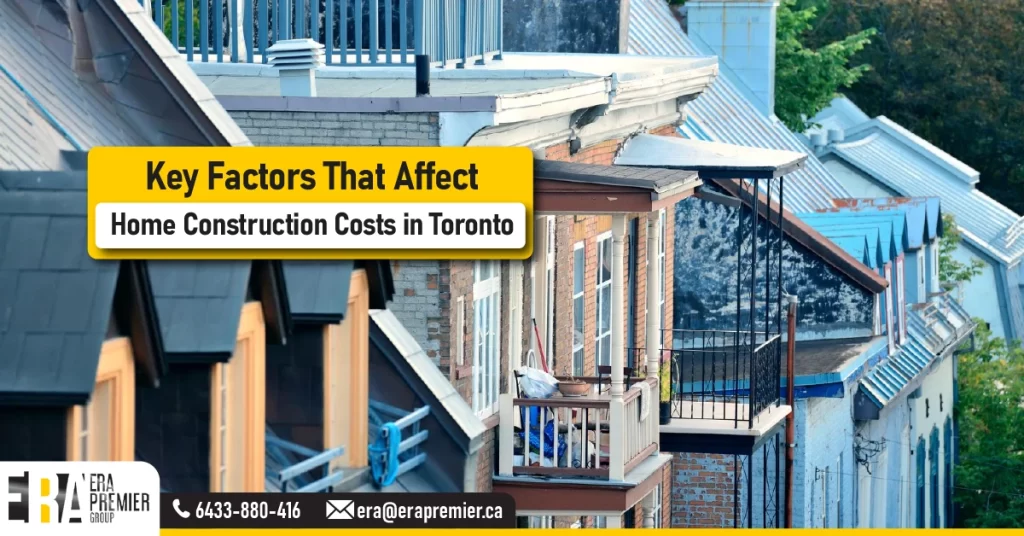
Key Factors That Affect Home Construction Costs in Toronto
When planning a home construction project in Toronto, understanding the key factors that influence construction costs is essential. Several elements can significantly impact your budget, and knowing them beforehand will help you make informed decisions and avoid unexpected expenses.
● Size and Layout of the Home
The total area and the design complexity of your home play a major role in determining construction costs. Larger homes naturally require more materials, labor, and time, while complex layouts with multiple levels or custom features can increase expenses further. In Toronto, the size of the house directly affects overall home construction costs.
● Choice of Materials
The materials you choose for walls, flooring, roofing, and finishes can dramatically influence construction costs. Premium materials like hardwood, natural stone, or high end fixtures will increase the budget, whereas more standard options may reduce costs without sacrificing durability. Careful material selection is a key factor in controlling home construction expenses.
● Labor and Contractor Fees
Construction costs are heavily affected by the labor market and the rates charged by contractors. Experienced and reputable contractors may charge higher fees, but they often deliver better quality and ensure that the project runs smoothly. In Toronto, labor costs for home construction are a significant portion of the total budget.
● Site Conditions and Location
The location of your property in Toronto can impact construction costs due to accessibility, zoning regulations, and soil conditions. Sites that require extensive preparation, excavation, or grading can increase construction costs. Even the neighborhood can influence labor availability and permit requirements.
● Permits, Regulations, and Taxes
Compliance with local building codes, permits, and taxes is mandatory for any home construction project. Permit fees, development charges, and municipal taxes add to overall construction costs. Understanding these requirements early can help avoid costly delays and fines.
● Design Features and Customization
Custom features such as large windows, open floor plans, smart home systems, or unique architectural details can increase construction costs. While these additions can enhance the functionality and aesthetics of the home, they also add to the overall home construction budget.
● Market Conditions and Inflation
Construction costs can fluctuate based on the supply and demand for materials and labor, as well as broader economic conditions. In times of high demand or inflation, costs for home construction in Toronto may rise, so it’s important to factor this into your budget planning.
Understanding these key factors is crucial for anyone planning home construction in Toronto. By considering size, materials, labor, site conditions, permits, design, and market trends, homeowners can develop a realistic budget and make informed decisions that ensure a successful construction project.
📰To read more: Toronto Building Permit Process
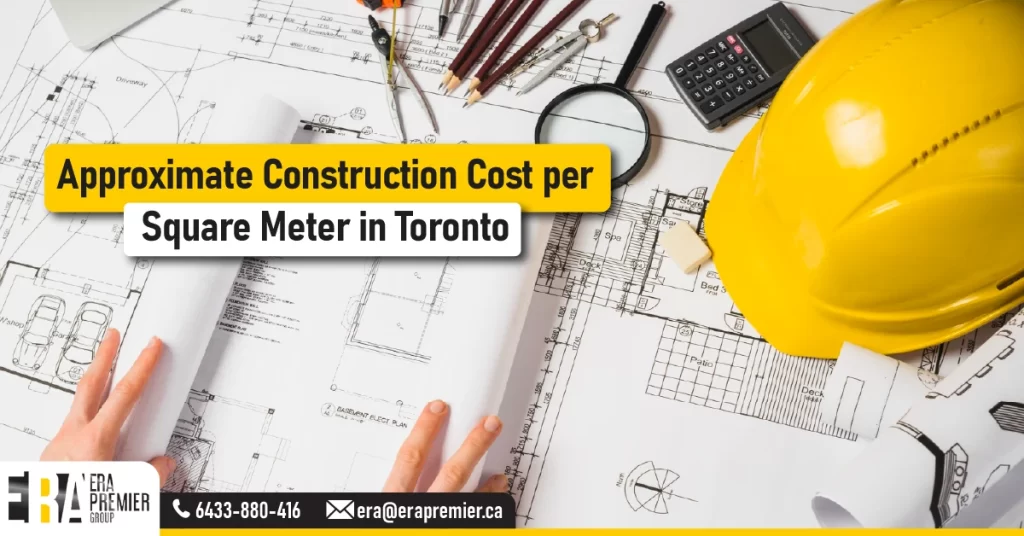
📊 Approximate Construction Cost per Square Meter in Toronto
| Level / Finish Quality | Approx. Cost per sq ft (CAD) | Approx. Cost per m² (CAD) |
|---|---|---|
| Basic / Standard finish | ≈ 150 – 200 CAD/sq ft | ≈ 1,615 – 2,150 CAD/m² |
| Mid‑range / Semi‑custom | ≈ 200 – 300 CAD/sq ft | ≈ 2,150 – 3,225 CAD/m² |
| High‑end / Custom / Luxury finish | ≈ 300 – 400+ CAD/sq ft | ≈ 3,225 – 4,300+ CAD/m² |
Notes:
🟡 These ranges reflect typical Home Construction costs in Toronto, excluding the price of land, landscaping, permits, taxes, and soft‑costs (design, engineering, fees).
🟡 Mid range and high‑end costs increase further if you choose premium materials, complex design, custom architectural details, or extra finishing touches.
📝 Explanation & How to Use This Data
These figures give a baseline estimate for your Construction Costs when building a home in Toronto. For example, if you plan a 500 m² home, using these estimates:
- With basic/standard finish: 500 × 1,615 → ~ 807,500 CAD
- With mid‑range finish: 500 × 2,150 → ~ 1,075,000 CAD
- With high‑end/luxury finish: 500 × 3,225 → ~ 1,612,500 CAD
Of course, the final cost will likely be higher because actual projects also include soft costs (design, permits), site preparation, utility connections, fees, taxes, and often some contingency budget.
Innovative Construction Methods
Material Choices and Their Impact on Budget for home construction in Toronto
One of the most important factors that directly influences construction costs is the choice of materials for your home construction project. Every decision, from structural elements to finishing touches, can have a significant impact on your overall budget.
Structural Materials → The foundation, framing, and roofing materials form the backbone of any home construction. For example, concrete and steel framing typically cost more than standard wood framing, but they offer greater durability and long term value. These choices will directly influence your construction costs and the lifespan of your home.
Flooring and Wall Finishes → Flooring options such as hardwood, tile, or engineered wood vary in price and maintenance requirements. Similarly, wall finishes, including paint quality, plaster, or wall panels, affect both the aesthetics and cost of home construction. Selecting mid range materials can help control construction costs while still providing quality and style.
Exterior Materials → Siding, cladding, and roofing materials not only impact the appearance of your home but also influence durability and maintenance expenses. Premium options like natural stone, brick, or high quality composite siding increase construction costs, whereas standard materials offer more budget friendly alternatives.
Fixtures and Fittings → Kitchen and bathroom fixtures, lighting, and hardware are key elements of home construction that can quickly add to costs. Investing in higher end fixtures can improve functionality and home value but also raise the overall construction costs.
Energy Efficient and Smart Materials → Incorporating energy efficient insulation, windows, and sustainable materials can initially increase construction costs but may save money in the long term through reduced energy bills and maintenance.
In summary, the materials you choose for home construction play a crucial role in determining your total construction costs. Carefully balancing quality, durability, and budget ensures that you achieve a well built, aesthetically pleasing home without overspending. By understanding the impact of material choices, homeowners can make informed decisions that optimize both the cost and value of their project.
📰To read more: Modern Homes in Toronto
Labor Costs: How Much Do Contractors Charge?
Labor costs are one of the most significant components of home construction expenses. For any home construction project in Toronto, hiring skilled and reliable contractors ensures the work is done correctly and efficiently, but it also directly impacts your overall construction costs.
General Contractor Fees: General contractors manage the entire home construction project, including scheduling, subcontractor coordination, and quality control. In Toronto, contractor fees can range from 15% to 25% of the total construction costs, depending on the complexity and size of the project. Hiring an experienced contractor may cost more upfront but often saves money in the long run by preventing delays and mistakes.
Skilled Trades: Home construction relies heavily on skilled labor such as carpenters, electricians, plumbers, and masons. Each trade has its own rate, which varies based on experience, demand, and project complexity. For example, electricians and plumbers often charge higher rates than general carpentry work, and custom or specialized installations can increase costs further.
Hourly vs. Fixed Rates: Contractors may charge either hourly rates or fixed prices for specific tasks. Understanding the difference is crucial for budgeting your home construction project. Fixed rate contracts provide predictable costs, whereas hourly rates can fluctuate depending on the time required to complete the work.
Impact on Total Construction Costs: Labor costs can represent 30% to 50% of the total home construction costs, making it one of the largest single expenses. Efficient project management, proper planning, and hiring reputable contractors can help control labor expenses while maintaining high quality results.
Tips to Optimize Labor Costs | Homeowners can manage labor costs by:
● Clearly defining the project scope before starting
● Choosing experienced and licensed contractors
● Avoiding last minute changes or design modifications
● Bundling multiple tasks with a single contractor to reduce coordination fees
In conclusion, labor costs play a critical role in the overall construction costs of a home. By understanding contractor fees, skilled trade rates, and efficient project management, homeowners can plan a realistic budget and ensure their home construction project is completed on time, within budget, and to a high standard of quality.
Real estate consulting in Canada
Additional Costs to Consider | Permits, Fees, and Taxes
When planning a home construction project in Toronto, it’s essential to consider additional costs beyond materials and labor. These expenses, which include permits, municipal fees, and taxes, can significantly impact your total construction costs if not accounted for early in the budgeting process.
Building Permits → Obtaining the necessary permits from the City of Toronto is mandatory before starting any construction. Permit costs vary depending on the size, scope, and type of home construction. For a large 500 square meter home, permit fees can range from $10,000 to $30,000 CAD or more. These fees cover the review of architectural plans, inspections during construction, and ensuring compliance with local building codes.
Development Charges → In addition to permits, homeowners may be required to pay development charges. These fees fund infrastructure improvements such as roads, water, and sewage systems. Development charges for large scale home construction projects can range from $20,000 to $50,000 CAD, depending on the property location and municipal requirements.
Impact Fees and Other Municipal Charges → Some areas may require additional fees for parks, schools, or public amenities. These charges are generally calculated based on the size of the home and can add several thousand dollars to construction costs.
HST (Harmonized Sales Tax) → In Canada, most new home construction is subject to HST, which is currently 13% in Ontario. This tax applies to labor, materials, and certain services, further increasing the total cost of home construction. While some rebates may be available, HST is an important factor in budgeting.
Utility Connection Fees → Connecting your home to water, electricity, gas, and sewer services may involve one time fees from utility providers. Depending on the property and complexity of the connections, these costs can range from $5,000 to $15,000 CAD or more.
Contingency Budget → Although not a formal fee, setting aside a contingency budget (typically 5–10% of total construction costs) is highly recommended to cover unexpected expenses, design changes, or delays. This ensures that your home construction project remains financially stable and avoids cost overruns.
In summary, permits, development charges, taxes, utility fees, and contingency costs are all critical components of construction costs for a home in Toronto. By understanding and planning for these additional expenses, homeowners can create a realistic budget, avoid surprises, and ensure a smooth and successful home construction process.
📰To read more: Toronto Building Permit Process
Cost Breakdown for Building a 500 Square Meter Home
When planning home construction for a 500 square meter property in Toronto, understanding how different elements contribute to total construction costs is essential. A detailed cost breakdown helps homeowners budget effectively, make informed decisions, and avoid unexpected expenses. While actual costs may vary depending on design choices, material quality, and site conditions, the following categories provide a realistic overview.
🟡 Foundation and Structural Work
The foundation and structural framework form the backbone of any home construction. For a 500 m² house, this typically represents 20–25% of total construction costs. Costs include excavation, concrete, steel reinforcements, and framing materials. Strong, well engineered foundations ensure long term durability and safety.
🟡 Exterior Shell and Roofing
The exterior envelope, including walls, siding, windows, and the roof, usually accounts for 15–20% of construction costs. Choices of materials—such as brick, stone, or premium cladding affect both durability and aesthetics. Proper insulation and energy efficient windows also contribute to long term savings on utilities.
🟡 Interior Finishes
Interior finishes cover flooring, wall treatments, painting, ceilings, and doors. This category often makes up 20–25% of home construction costs, especially if mid to high end finishes are selected. Even small choices, like flooring type or cabinetry quality, can significantly impact the total construction budget.
🟡 Mechanical, Electrical, and Plumbing (MEP) Systems
Installing heating, ventilation, air conditioning (HVAC), electrical wiring, and plumbing is another major component of construction costs, typically representing 15–20% of the total. Smart home systems or energy efficient appliances can slightly increase initial expenses but provide long term value.
🟡 Kitchen and Bathrooms
Kitchens and bathrooms are high impact areas for both functionality and aesthetics. In a 500 m² home, these areas can account for 10–15% of construction costs, depending on the quality of cabinets, countertops, fixtures, and appliances. Upgrading to premium materials will increase the budget, while standard finishes help control costs.
🟡 Site Work and Landscaping
Preparing the site, including grading, driveways, patios, and landscaping, typically adds 5–10% to construction costs. Even though this category is often overlooked, careful planning ensures safety, accessibility, and curb appeal.
🟡 Soft Costs and Contingency
Soft costs include architectural and engineering fees, permit fees, taxes, and project management expenses. A contingency budget of 5–10% is recommended to cover unforeseen challenges or design changes during home construction. These costs ensure that the project stays on track and within budget.
Breaking down construction costs for a 500 square meter home allows homeowners to see how each component contributes to the overall budget. By allocating funds appropriately across foundation, exterior, interior, systems, and soft costs, you can plan a successful home construction project that balances quality, functionality, and cost efficiency. Proper understanding of this breakdown also makes it easier to adjust design choices without jeopardizing the project’s financial plan.
📰To read more: Modern Homes in Toronto
FAQ
1️⃣ How much does it cost to build a 500 square meter home in Toronto?
Depending on materials and finishes, construction costs typically range from CAD 800,000 to 1.6 million, excluding land and permits.
2️⃣ What factors affect the construction costs of a home?
Key factors include size, design complexity, material choices, labor costs, permits, and site conditions.
3️⃣ How much do permits and fees add to home construction costs?
Permits, development charges, taxes, and utility fees can add CAD 30,000–70,000 or more to the total construction costs.
4️⃣ Can labor costs be reduced without compromising quality?
Yes, by hiring experienced contractors, planning the project carefully, and avoiding last minute changes.
5️⃣ Do high end materials significantly increase construction costs?
Yes, premium materials for flooring, cabinetry, and fixtures can increase costs substantially, but they also enhance durability and home value.
Final Thoughts: Planning Your Budget for a Smooth Build
Successfully completing a 500 square meter home in Toronto requires careful planning and a clear understanding of construction costs. By considering factors such as material choices, labor, permits, and site preparation, homeowners can create a realistic budget that prevents unexpected expenses and delays.
Allocating funds across all key components of home construction from structural work and interior finishes to mechanical systems and landscaping ensures a smooth and well managed project. Additionally, setting aside a contingency for unforeseen costs provides financial flexibility and peace of mind. Thoughtful budget planning not only keeps your project on track but also allows you to make informed decisions, resulting in a high quality home that meets your expectations without compromising on quality or efficiency.