
Modern homes are all about blending style, functionality, and comfort, and achieving this balance requires a thoughtful approach to Architectural and Interior Design. By carefully considering Architectural elements like open floor plans, natural lighting, and sustainable materials, homeowners can create spaces that feel spacious, bright, and inviting.
At the same time, smart Interior Design choices such as neutral color palettes, layered textures, and statement furniture enhance the beauty and practicality of each room. Combining innovative Architectural ideas with creative Interior Design solutions allows you to transform any modern home into a space that is not only visually stunning but also perfectly tailored to your lifestyle.
Architectural & Interior Design
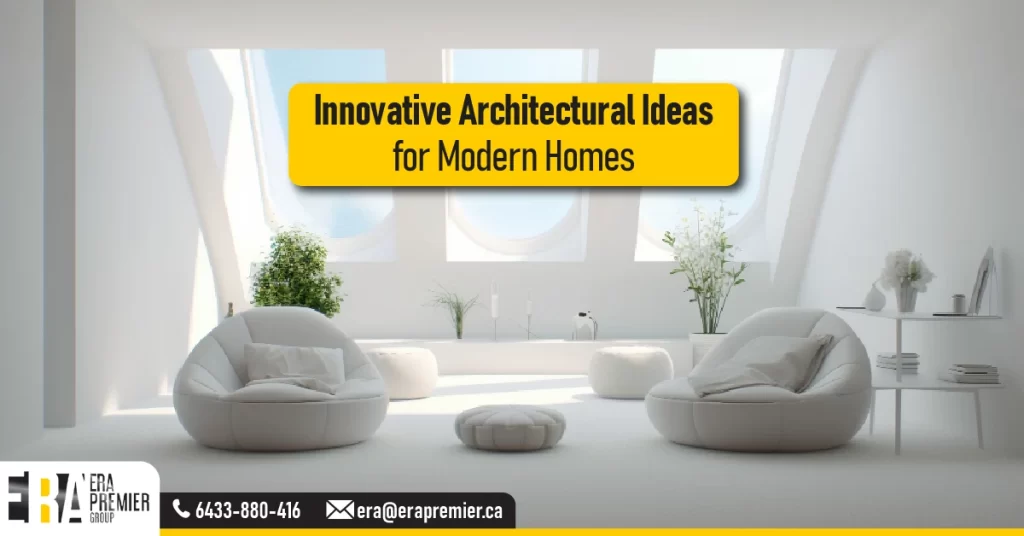
Innovative Architectural Ideas for Modern Homes
Modern homes thrive when Architectural creativity meets functionality. Here are some innovative Architectural ideas that can elevate any modern home while perfectly complementing Interior Design:
1. Open Floor Plans
Open floor plans are a cornerstone of modern Architectural design. By removing unnecessary walls and barriers, these layouts create spacious, fluid interiors that enhance natural light and improve movement between rooms. Integrating this Architectural strategy with cohesive Interior Design elements such as consistent color schemes and furniture placement creates a harmonious, modern living environment.
2. Sustainable and Eco Friendly Materials
Using sustainable materials in Architectural design not only benefits the environment but also adds a unique aesthetic to your home. Reclaimed wood, recycled metal, and low impact concrete are popular choices. When paired with eco-conscious Interior Design features like energy efficient lighting and low-VOC paints your home becomes both stylish and sustainable.
3. Large Windows and Natural Light
Floor-to-ceiling windows or strategically placed skylights are powerful Architectural tools that bring the outdoors inside. Natural light enhances the perception of space and elevates the mood of every room. When Interior Design incorporates reflective surfaces, light-colored walls, and smart furniture placement, the result is a bright, welcoming, and modern home.
4. Minimalist Façades and Clean Lines
Modern Architectural design emphasizes simplicity, clean lines, and minimalist exteriors. Flat roofs, unornamented walls, and geometric shapes create a sophisticated yet understated aesthetic. Complementing this with minimalist Interior Design think uncluttered spaces, simple textures, and functional furniture reinforces a sense of modern elegance.
5. Indoor Outdoor Integration
Contemporary Architectural concepts often blur the boundaries between indoor and outdoor spaces. Sliding glass doors, outdoor patios, and rooftop gardens extend living areas beyond walls. Harmonizing these Architectural innovations with Interior Design like seamless flooring transitions and complementary furniture creates a cohesive and versatile home environment.
6. Multi Functional Spaces
Modern Architectural design often focuses on adaptability. Rooms that serve multiple purposes like a home office that doubles as a guest room maximize utility without compromising style. Strategic Interior Design choices, such as modular furniture and hidden storage, make these multi-functional spaces both practical and visually appealing.
7. Statement Staircases
Staircases in modern homes are no longer just functional they are Architectural focal points. Floating stairs, glass railings, or sculptural designs can define the character of a space. Coordinating Interior Design elements like accent lighting, complementary materials, and strategic furniture placement ensures the staircase becomes a centerpiece rather than an isolated feature.
8. Innovative Roof and Ceiling Designs
Modern Architectural innovation often extends to roofs and ceilings. Vaulted ceilings, exposed beams, or green roofs add both aesthetic and functional value. Pairing these features with Interior Design elements such as pendant lighting, textured finishes, or color contrasts enhances the overall ambiance and highlights the home’s architectural sophistication.
To read more: Top Architectural Trends for Custom Homes in Canada in 2025
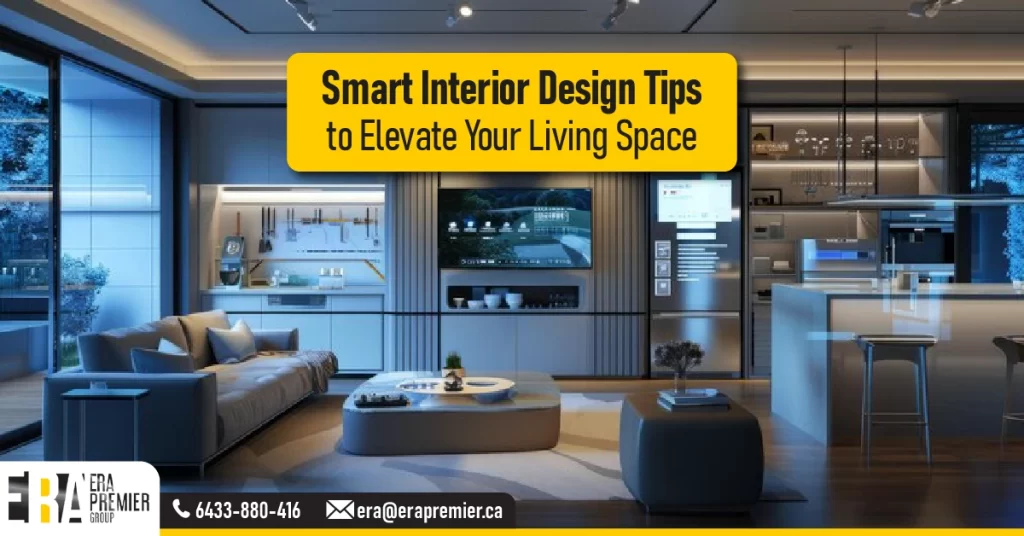
Smart Interior Design Tips to Elevate Your Living Space
A well-designed home is the perfect combination of Architectural innovation and thoughtful Interior Design. Smart Interior Design strategies can transform ordinary spaces into functional, stylish, and inviting areas. Here are the top tips to elevate your living space:
🟡 Utilize Neutral Color Palettes
Choosing neutral colors in Interior Design creates a versatile foundation that enhances the impact of your home’s Architectural elements. Shades like beige, gray, and soft whites open up rooms, complement natural light, and provide a timeless backdrop for furniture, art, and décor. Neutral palettes also allow for easy updates and seasonal styling without clashing with the home’s Architectural features.
🟡 Maximize Natural Light
Smart Interior Design emphasizes lighting as a key element of modern living spaces. Incorporating mirrors, light-colored walls, and reflective surfaces amplifies natural light, highlighting Architectural features like open floor plans or vaulted ceilings. Proper lighting arrangements can make even compact spaces feel airy, spacious, and welcoming.
🟡 Invest in Multi-Functional Furniture
Multi-functional furniture is an essential Interior Design strategy in modern homes with smart Architectural layouts. Sofas with storage, extendable dining tables, and foldable workstations maximize utility without sacrificing style. These furniture pieces adapt to changing needs, complementing the home’s Architectural flow and enhancing overall comfort.
🟡 Focus on Textures and Layering
Layering textures in Interior Design adds depth and personality to your living space. Combining soft fabrics, natural wood, metal accents, and stone surfaces can complement Architectural elements such as exposed beams or modern wall finishes. Thoughtful layering creates visually rich environments that are both cozy and elegant.
🟡 Create a Seamless Indoor-Outdoor Connection
Modern Architectural concepts often blur the line between indoor and outdoor spaces, and Interior Design should follow suit. Sliding glass doors, matching flooring, and strategically placed furniture help create continuity between patios, gardens, and interiors. This approach enhances spatial perception and encourages a harmonious lifestyle connected to nature.
🟡 Highlight Statement Pieces
Statement furniture or décor in Interior Design can define the character of a room and emphasize Architectural features. Bold lighting fixtures, unique art, or an eye-catching rug draws attention to focal points like a fireplace, staircase, or window wall. Proper placement ensures that both the Interior Design and Architectural elements work together to create visual impact.
🟡 Embrace Minimalism for Clarity and Flow
Minimalist Interior Design complements modern Architectural layouts by reducing clutter and promoting clean lines. Using only essential furniture and décor ensures open circulation, highlights structural elements, and enhances a sense of tranquility. Minimalism allows the Architectural design to shine while providing functional, stress-free living spaces.
🟡 Incorporate Smart Storage Solutions
Innovative storage is a crucial Interior Design tip for modern homes with smart Architectural layouts. Built-in shelves, hidden cabinets, and multifunctional nooks help maintain a clean and organized environment. Properly integrated storage supports both aesthetics and practicality, enhancing the harmony between Interior Design and Architectural design.
Architectural & Interior Design
How Architectural and Interior Design Work Together
The true beauty of a modern home emerges when Architectural vision and Interior Design creativity work in harmony. While Architectural design focuses on the structural layout, form, and overall spatial flow, Interior Design enhances these elements by selecting colors, materials, textures, and furniture that complement the architecture. For example, an open Architectural floor plan becomes more inviting when Interior Design incorporates cohesive lighting, strategic furniture placement, and thoughtful décor, creating spaces that feel both functional and aesthetically pleasing.
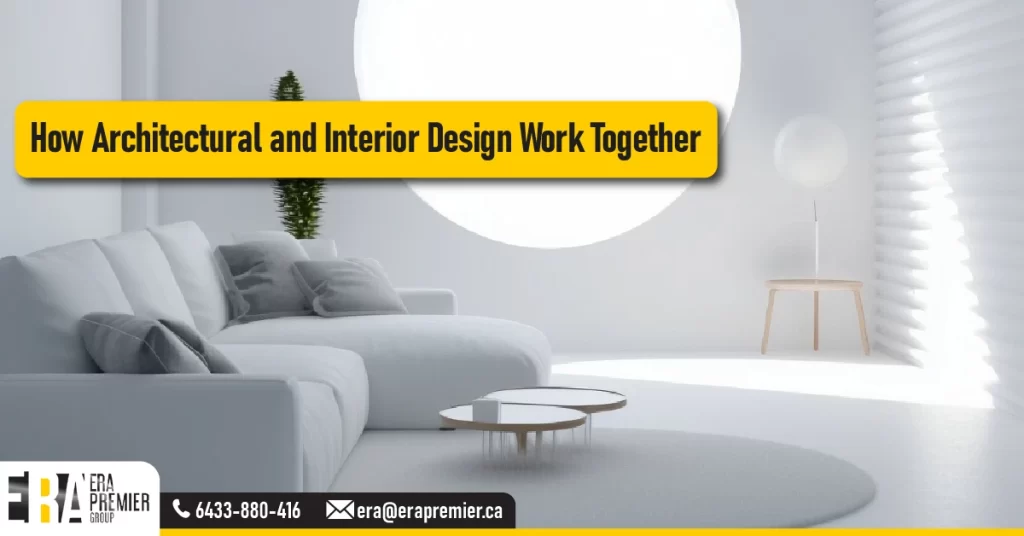
Moreover, successful integration of Architectural and Interior Design ensures that every aspect of a home serves a purpose. Features such as large windows, vaulted ceilings, or innovative wall designs are highlighted through Interior Design choices, from accent lighting to material selection. By blending these two disciplines, homeowners can achieve a seamless connection between form and function, where the Architectural structure supports the lifestyle envisioned through Interior Design, resulting in a space that is not only visually striking but also perfectly practical.
To read more: Luxury Landscaping Ideas
Interior Design Trends That Complement Modern Architecture
Modern homes achieve their full potential when Interior Design trends are thoughtfully aligned with Architectural features. By combining current design trends with the home’s structural elements, you can create spaces that feel cohesive, stylish, and functional. Here are some of the most influential Interior Design trends that perfectly complement modern Architectural design:
⇒ Neutral and Monochromatic Color Schemes
Using neutral tones and monochromatic palettes in Interior Design enhances modern Architectural layouts by creating a clean and calming environment. Whites, grays, and soft beiges allow Architectural details like open floor plans, large windows, and geometric shapes to stand out while providing a versatile backdrop for décor and furnishings.
⇒ Minimalist Furniture and Décor
Minimalism is a key Interior Design trend that complements modern Architectural aesthetics. Simple, functional furniture, uncluttered spaces, and subtle decorative elements highlight clean lines and open layouts, emphasizing the structural beauty of the home rather than overpowering it.
⇒ Natural Materials and Textures
Incorporating wood, stone, and metal finishes in Interior Design enhances the character of Architectural features. Exposed beams, concrete walls, or hardwood floors can be accentuated through textured furnishings, rugs, and accessories, creating a warm and inviting balance between structure and décor.
⇒ Statement Lighting
Modern Interior Design relies on lighting not only for visibility but also as a design element. Pendant lights, recessed lighting, and LED accent strips can highlight Architectural elements like staircases, vaulted ceilings, or open-plan spaces, blending aesthetics with functionality.
⇒ Indoor Outdoor Continuity
Interior Design trends increasingly focus on connecting indoor and outdoor spaces, which aligns with modern Architectural concepts. Matching flooring, coordinated color schemes, and transitional furniture can create a seamless flow between patios, terraces, and living areas, enhancing both space and comfort.
⇒ Smart and Modular Furniture
The rise of smart, modular furniture in Interior Design complements flexible Architectural layouts. Pieces that adapt to multiple uses like extendable tables, foldable desks, or hidden storage maximize space efficiency while maintaining a modern, streamlined look.
⇒ Bold Accent Elements
While modern homes often lean toward simplicity, bold accents in Interior Design such as a colorful sofa, textured wall panel, or sculptural art can enhance the visual impact of Architectural features. This balance creates a dynamic environment where structure and décor coexist harmoniously.
Architectural & Interior Design
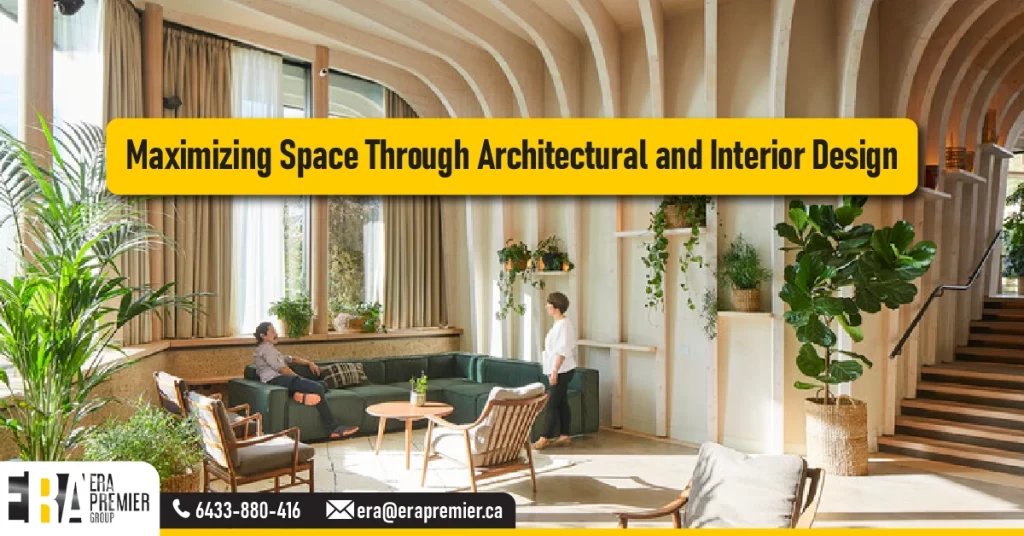
Maximizing Space Through Architectural and Interior Design
Maximizing the functionality and openness of a home is one of the most important goals in both Architectural and Interior Design. The art of using every square meter effectively requires creativity, precision, and balance between structure and style. Through smart planning and cohesive design, even compact homes can feel spacious, bright, and inviting.
- Open-Concept Architectural Layouts: One of the most effective Architectural techniques for maximizing space is creating open layouts. By removing unnecessary partitions and blending living, dining, and kitchen areas, the Interior Design can emphasize fluidity and openness. This approach enhances natural light, improves circulation, and makes small spaces appear larger.
- Smart Use of Vertical Space: In modern Architectural planning, vertical space is often underutilized. High ceilings, built-in shelving, and tall windows not only expand visual height but also provide opportunities for innovative Interior Design solutions like hanging lighting fixtures or vertical gardens that draw the eye upward.
- Multipurpose Furniture and Built-In Solutions: Integrating Architectural design with custom-built furniture maximizes both function and aesthetics. For example, a staircase with hidden storage, foldable desks, or built-in wardrobes align perfectly with the Interior Design concept of minimalism while maintaining efficiency and order.
- Strategic Use of Light and Color: Natural and artificial lighting play a crucial role in both Architectural and Interior Design optimization. Large windows, skylights, and reflective surfaces amplify space perception, while light color palettes such as whites, beiges, and soft greys create a sense of airiness and visual continuity throughout the home.
- Seamless Indoor Outdoor Connection: Modern Architectural designs often extend interior spaces into outdoor areas like patios or terraces. When Interior Design incorporates similar materials, textures, and color tones, the boundaries between inside and outside blur creating an expanded living experience that feels naturally larger.
- Minimalist Design Philosophy: Less is more when it comes to maximizing space. A minimalist Architectural structure paired with clean Interior Design lines and clutter-free organization ensures that each area serves a purpose. This not only enhances the spatial flow but also promotes a calm, functional, and elegant environment.
- Smart Home Technology Integration: The future of Architectural and Interior Design lies in intelligent space management. Automated lighting, hidden storage systems, and adaptable layouts allow modern homes to adjust to their residents’ needs making every inch of space work smarter, not harder.
Architectural & Interior Design
Conclusion
In today’s world, where modern homes are designed to reflect both style and functionality, the harmony between Architectural and Interior Design plays a defining role. A well-planned Architectural concept provides the foundation shaping the flow, lighting, and spatial dynamics while Interior Design brings warmth, personality, and purpose to every corner. Together, these two disciplines transform ordinary structures into inspiring living spaces that truly enhance the quality of life.
Whether you’re building a new home or renovating an existing one, paying attention to the synergy between Architectural innovation and Interior Design detail can make all the difference. From open layouts and sustainable materials to smart furniture and minimalist aesthetics, every design decision contributes to creating a home that feels modern, efficient, and timeless. Ultimately, the best homes are those where Architectural brilliance meets Interior Design creativity forming spaces that are not only beautiful to look at but also a joy to live in.